Trump's Greenland Interest Puts Iceland's EU Vote in Spotlight
Icelanders are poised to vote in a close referendum on whether to restart accession talks with the European Union. This decision is gaining heightened importance following U.S. President Donald Trump's assertive stance on Greenland and the Arctic.
The question facing the nation of roughly 400,000 people is straightforward: 'Should Iceland resume accession negotiations with the European Union?'
Recent polls suggest the advisory vote will be fiercely contested, indicating a divided nation. If a majority votes in favor, Iceland will proceed with accession negotiations. A successful outcome would lead to a proposed agreement, which would then require approval in a subsequent referendum.
The Arctic is increasingly recognized as a crucial region for critical minerals and is experiencing rapid changes due to melting ice, which is opening up new shipping routes. This heightened geopolitical interest is compounded by Trump's persistent desire to acquire Greenland, Iceland's close neighbor.
Trump has long championed the acquisition of Greenland for national security reasons. Notably, earlier this year, he appeared to conflate Greenland and Iceland during a speech at the World Economic Forum in Davos.
"The arguments President Trump has made for the U.S. needing to acquire Greenland are equally applicable to Iceland," noted Eiríkur Bergmann, a politics professor at Bifröst University in Iceland. "The only distinction is that Iceland is a formally independent country."
Iceland initially applied for EU membership in 2009, in the wake of the global financial crisis, but suspended the talks in 2013 when a euroskeptic government took power.
Earlier this year, Iceland's Foreign Minister Thorgerdur Gunnarsdottir stated that enhanced dialogue and cooperation with the EU would be vital for safeguarding the country's interests. She observed in an article for the Icelandic newspaper Visir, "It is evident that the international order established since the end of World War II is in flux."
Economy, Sovereignty, and Fisheries Remain Key Issues
Beyond Trump's focus on Greenland, Bergmann highlighted a growing concern regarding diminished trust in the U.S. as a security partner, a factor influencing the upcoming vote.
As a founding member of NATO, Iceland is unique among its allies in not possessing its own military forces. The country also holds a strategic position at the GIUK Gap, a vital maritime passage connecting the Arctic and the Atlantic.
"Iceland's security and defense are maintained through its NATO membership and, for many, more significantly, through a bilateral defense agreement with the U.S. dating back to 1951. There's a growing reconsideration of the validity of that agreement," Bergmann explained.
While these geopolitical developments have shaped the discussion around potential EU membership, experts emphasize that the debate is primarily driven by domestic concerns, specifically the economy, national sovereignty, and fisheries.
One argument in favor of joining the EU centers on the Icelandic krona, a currency known for its susceptibility to significant fluctuations.
"The current Social Democrat-led government, which was also behind the initial membership bid, is now seeking to finalize this 'unfinished business'," said Steven Blockmans, deputy director at the International Centre for Defence and Security think tank.
Conversely, former Icelandic Prime Minister Katrín Jakobsdóttir has expressed skepticism about joining the EU, asserting that the country already benefits from close economic ties with the bloc and enjoys a high standard of living.
"If a majority of the people wishes to apply, it is crucial to heed that majority's voice. However, my position remains unchanged," Jakobsdóttir told CNBC in mid-April.
It is worth noting that Iceland already has deep integration within the European framework, notably through its membership in the European Economic Area, which grants it access to the EU's single market.
Furthermore, Iceland is part of the Schengen Area, allowing for passport-free travel among participating European nations.
A Potential Success for the EU?
For the European Union, securing a new member that represents a success story could be beneficial, particularly in the aftermath of Brexit.
Bergmann suggests that a 'yes' vote could accelerate the process of reaching a negotiated agreement, given that Iceland's coalition government is approaching its next general election, scheduled for no later than August 2028.
"In today's world, bigger seems to be better," Blockmans commented.
He added that the prospect of the EU welcoming a country with a high GDP per capita and strong democratic credentials would undoubtedly enhance the "shine of the European integration project."
Fresh materials — MMA news
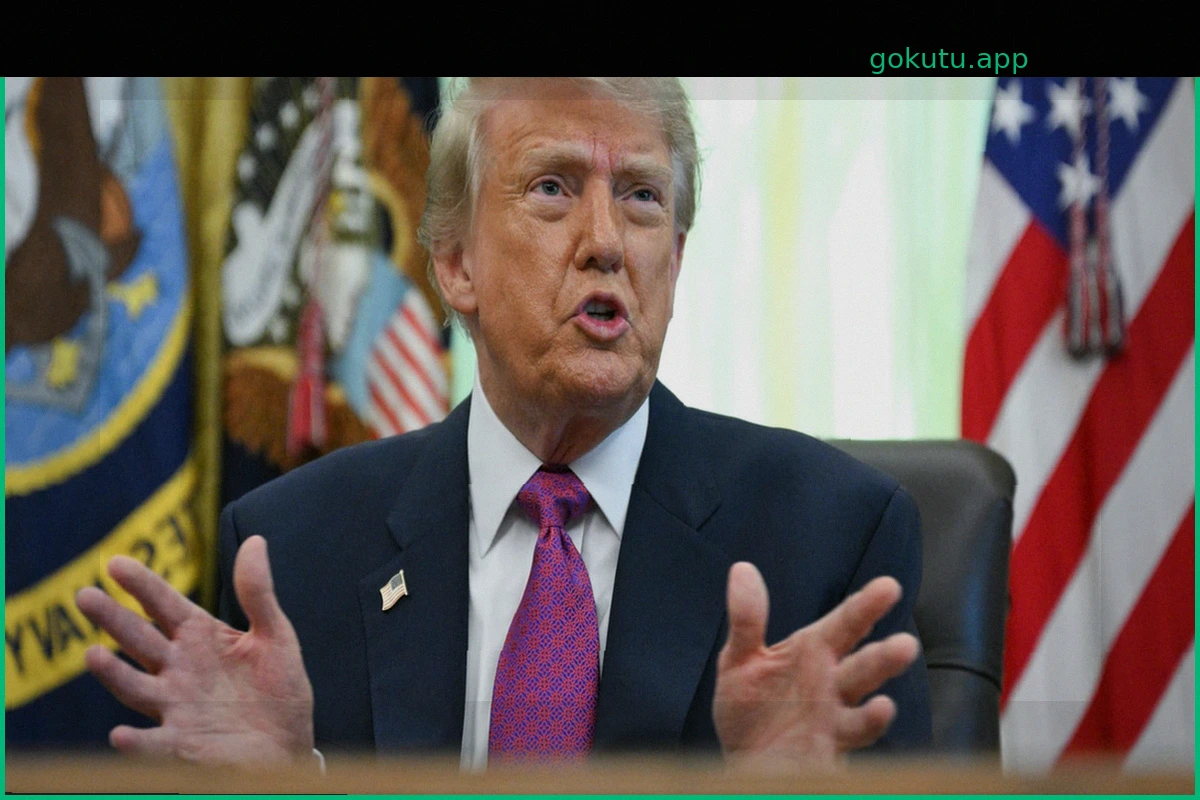
Federal Judge Denies Trump's Bid to Move Hush Money Case to Federal Court
A federal judge has rejected an attempt by former President Donald Trump to transfer his New York criminal case, related to hush money payments, to federal court. The judge, Alvin Hellerstein, stated that Trump waited too long after his conviction in May 2024 to request the case be mo

FDA Approves Bixlenvo, a Daily HIV Pill from Gilead, to Simplify Treatment for Select Patients
The U.S. Food and Drug Administration has given the green light to a new once-daily HIV pill developed by Gilead, a move expected to streamline care for certain individuals living with the virus. This new medication, known as Bixlenvo, is intended for patients whose viral load is alre
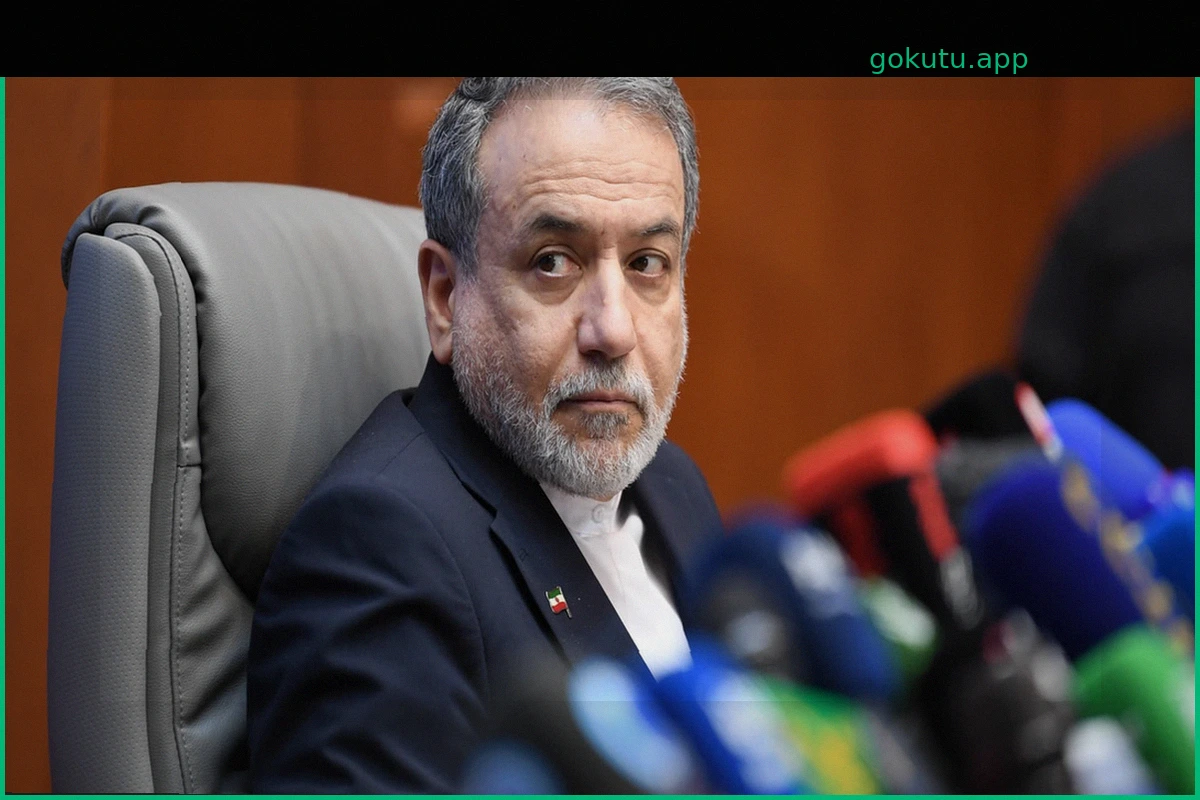
Iran Calls for Global Pushback Against U.S. Sanctions, Sees Diplomacy as Possible
Iran has stated its prerequisites for reopening the Strait of Hormuz, which include the cessation of wars and military operations throughout the Middle East. According to Mohsen Rezaei, the secretary of Iran's Supreme National Security Council, any accord with the United State
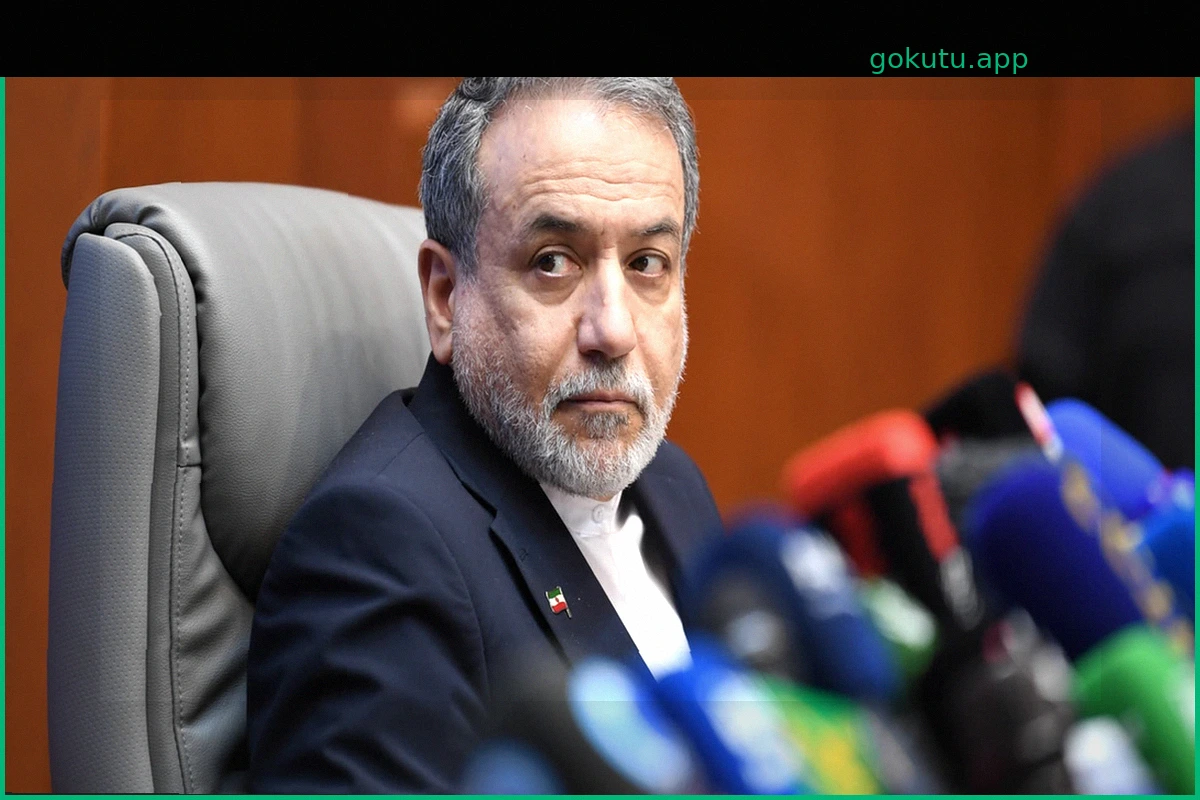
Iran's Conditions for Reopening Hormuz Strait: Diplomacy Tied to Regional Peace
Iran has articulated its requirements for the reopening of the Strait of Hormuz, emphasizing that an end to the ongoing conflicts across the Middle East is a prerequisite. According to Mohsen Rezaei, secretary of Iran's Supreme National Security Council, any accord with the United States conce

Treasury Yields Stable Ahead of Warsh's Jackson Hole Speech
Treasury yields remained largely unchanged in early trading on Friday, with global investors keenly anticipating the significant keynote speech by Federal Reserve Chair Kevin Warsh at the Jackson Hole Economic Policy Symposium. The yield on the 10-year Treasury note saw a slight increase of

Nvidia Stock Surges on Strong AI Demand Forecast
Nvidia's stock experienced a significant surge on Thursday, with shares rising approximately 7.4% in premarket trading. This upward trend followed the chip giant's latest earnings report and revenue guidance, which reassured investors about the sustained strength of Artificial Intelligence (AI)