Iran's Conditions for Reopening Hormuz Strait: Diplomacy Tied to Regional Peace
Iran has articulated its requirements for the reopening of the Strait of Hormuz, emphasizing that an end to the ongoing conflicts across the Middle East is a prerequisite. According to Mohsen Rezaei, secretary of Iran's Supreme National Security Council, any accord with the United States concerning the strait would necessitate the cessation of hostilities and military actions in Lebanon, Gaza, and Syria.
Rezaei stressed that the conflict in the Gaza Strip must conclude, alongside a demand for Israel's withdrawal from Lebanon and a halt to attacks on Syria. He further stated that the Strait of Hormuz cannot be considered in isolation from the broader regional turmoil. Rezaei asserted that the U.S. must demonstrate its sincerity in upholding these commitments before any new trust can be cultivated.
However, a swift return to diplomatic engagement appears unlikely. The Wall Street Journal reported that the Trump administration has shown no inclination to revisit the terms of a memorandum of understanding previously agreed upon with Iran in June. Sources familiar with the matter suggest that U.S. President Donald Trump is no longer interested in the framework of the June deal and is instead observing the efficacy of his administration's economic pressure strategy against Iran.
The U.S. recently initiated an "economic D-Day" campaign targeting Tehran, warning countries engaging in business with Iran and shifting its approach from military posturing to economic coercion.
Temporary Relief and Maritime Passage
Iran has currently permitted a "temporary and limited" corridor for maritime passage through the Strait of Hormuz. Rezaei indicated that the future of traffic in the strait would be determined by developments in the understanding with Washington.
Earlier this week, Oman and Iran engaged in discussions regarding a proposal to establish a temporary, joint shipping route through the Strait of Hormuz, along with an initiative to clear mines from the critical oil export channel. Conversely, a video posted on X by Admiral Brad Cooper, commander of U.S. Central Command, attributed the mine-clearing efforts in the strait to U.S. forces.
Cooper stated that Centcom forces have aided in the transit of approximately 1,500 commercial vessels and 750 million barrels of crude oil over the past few months, noting, "Today, international shipping lanes are open, and momentum is building." Despite these assurances, the latest available Kpler data indicated that only five ships transited Hormuz on Tuesday, a significant reduction from the approximately 130 ships that utilized the vital waterway before the conflict began in February.
English Translation
Iran Says Return to Diplomacy 'Isn't Impossible' — But All Mideast Wars Must End to Reopen Hormuz
Iran has outlined its conditions for the reopening of the Strait of Hormuz, stating that ending wars in the Middle East is among them.
Mohsen Rezaei, secretary of Iran's Supreme National Security Council, informed the Lebanese media outlet Al Manar TV that any understanding regarding the strait with the U.S. would include an end to wars and military operations in Lebanon, Gaza, and Syria.
He added that the conflict in the Gaza Strip must end, while demanding that Israel withdraw from Lebanon and cease attacks on Syria.
Rezaei stated that the Strait of Hormuz cannot be separated from the broader regional conflict, adding that the U.S. must "prove its seriousness" in implementing these commitments "before any new trust can be established."
However, a return to diplomacy does not appear imminent. The Wall Street Journal reported that the Trump administration has no interest in reverting to the terms of the memorandum of understanding it reached with Iran in June.
Citing sources familiar with the matter, the Journal said that U.S. President Donald Trump is no longer interested in the June deal framework and is instead waiting to see if his administration's strategy of economically pressuring Iran will be effective.
The U.S. announced an "economic D-Day" campaign against Tehran on Monday, threatening countries that do business with the Islamic Republic and shifting its focus from military action to economic pressure.
Temporary Relief
Iran is now allowing a "temporary and limited" corridor for ships to pass through the Hormuz Strait, and the future of maritime traffic will depend on developments in understandings with Washington, according to Rezaei.
Earlier this week, Oman and Iran discussed a proposal to establish a temporary joint shipping route through the Strait of Hormuz, as well as a mission to clear mines from the key oil export corridor.
However, a video posted on X late Thursday by Admiral Brad Cooper, commander of U.S. Central Command, credited U.S. forces for clearing the mines from the strait.
Centcom forces have helped facilitate the transit of approximately 1,500 commercial vessels and 750 million barrels of crude oil over the past several months, Cooper said. "Today, international shipping lanes are open, and momentum is building."
However, the latest available Kpler data showed that only five ships crossed Hormuz on Tuesday, a far cry from the approximately 130 ships that used to transit the crucial waterway before the war broke out in February.
Fresh materials — MMA news
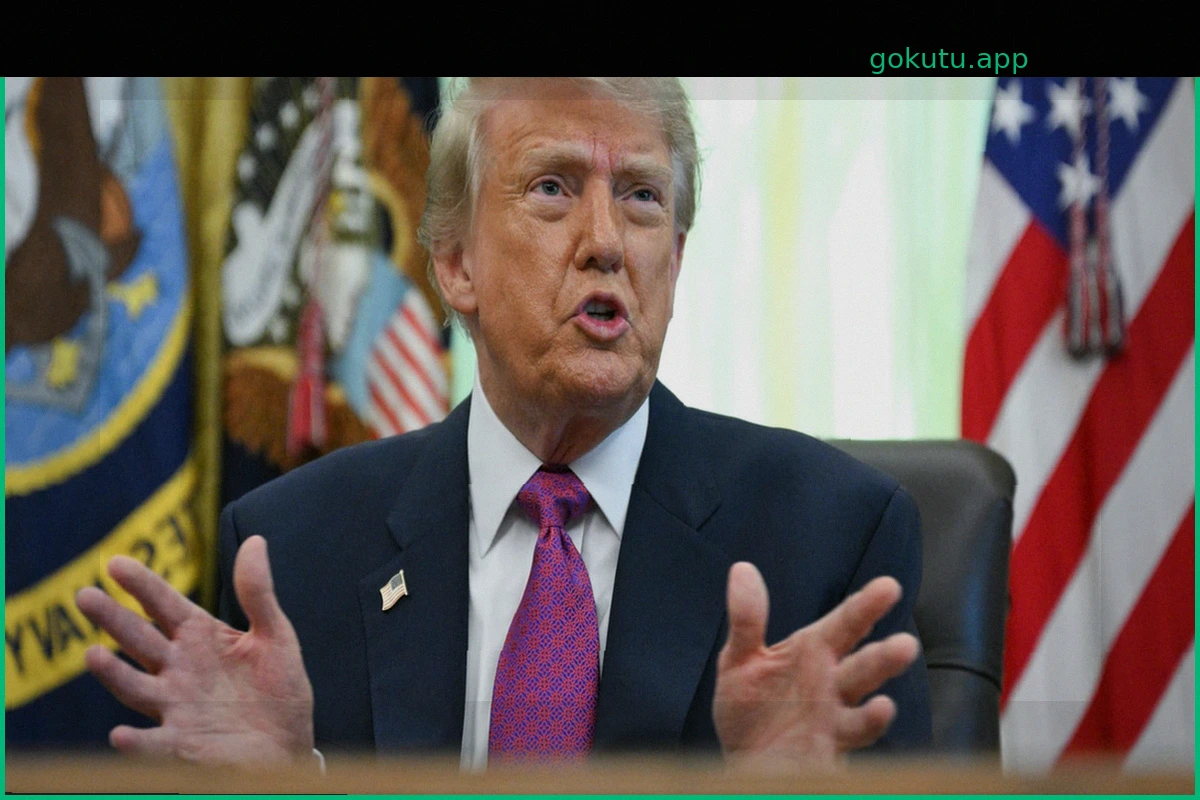
Federal Judge Denies Trump's Bid to Move Hush Money Case to Federal Court
A federal judge has rejected an attempt by former President Donald Trump to transfer his New York criminal case, related to hush money payments, to federal court. The judge, Alvin Hellerstein, stated that Trump waited too long after his conviction in May 2024 to request the case be mo

FDA Approves Bixlenvo, a Daily HIV Pill from Gilead, to Simplify Treatment for Select Patients
The U.S. Food and Drug Administration has given the green light to a new once-daily HIV pill developed by Gilead, a move expected to streamline care for certain individuals living with the virus. This new medication, known as Bixlenvo, is intended for patients whose viral load is alre
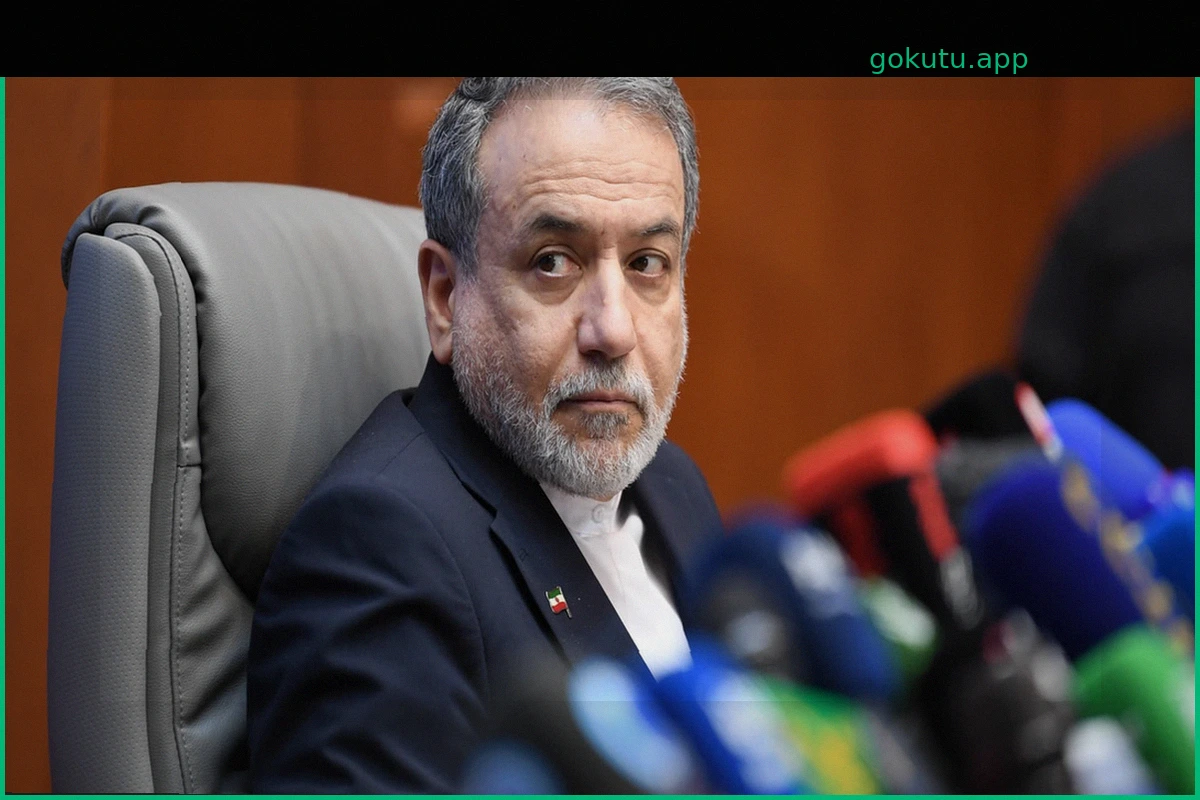
Iran Calls for Global Pushback Against U.S. Sanctions, Sees Diplomacy as Possible
Iran has stated its prerequisites for reopening the Strait of Hormuz, which include the cessation of wars and military operations throughout the Middle East. According to Mohsen Rezaei, the secretary of Iran's Supreme National Security Council, any accord with the United State

Treasury Yields Stable Ahead of Warsh's Jackson Hole Speech
Treasury yields remained largely unchanged in early trading on Friday, with global investors keenly anticipating the significant keynote speech by Federal Reserve Chair Kevin Warsh at the Jackson Hole Economic Policy Symposium. The yield on the 10-year Treasury note saw a slight increase of

Trump's Greenland Interest Puts Iceland's EU Vote in Spotlight
Icelanders are poised to vote in a close referendum on whether to restart accession talks with the European Union. This decision is gaining heightened importance following U.S. President Donald Trump's assertive stance on Greenland and the Arctic. The question facing the nation

Nvidia Stock Surges on Strong AI Demand Forecast
Nvidia's stock experienced a significant surge on Thursday, with shares rising approximately 7.4% in premarket trading. This upward trend followed the chip giant's latest earnings report and revenue guidance, which reassured investors about the sustained strength of Artificial Intelligence (AI)