Paramount CEO David Ellison Faces Final Hurdle in Warner Bros. Discovery Acquisition
David Ellison, at the helm of Paramount for just over a year, is nearing the conclusion of his nearly year-long effort to acquire Warner Bros. Discovery (WBD). However, a formidable obstacle has emerged: a coalition of state attorneys general aiming to halt the transaction.
This antitrust challenge and the ensuing delays are forcing Ellison to explore alternative strategies to finalize the deal. The extended timeline for Paramount's acquisition of WBD could significantly increase costs beyond the initial $110 billion proposed price, a critical concern for media companies currently under intense market pressure.
Despite the setbacks, Ellison remains confident in the deal's viability and eventual completion, according to sources close to his thinking. Paramount's lead trial attorney, Jeffrey Kessler, expressed this conviction, stating the company's readiness to escalate the matter to the Supreme Court if necessary.
However, progress with California Attorney General Rob Bonta, who is spearheading the states' legal action, appears slow. Both parties have expressed a desire for an out-of-court resolution, but the incentive for the states to settle remains uncertain, especially given strong local opposition to the transaction in California.
Ellison's pursuit of WBD began in September with unsolicited offers for the entertainment giant, which includes a prominent film studio, numerous pay-TV networks, and the HBO Max streaming service. Ellison's interest prompted a formal sale process, superseding WBD's initial plan to split into two companies.
After an initial bidding war where Netflix was reportedly favored, Ellison launched a hostile bid, promising WBD shareholders a premium. Netflix later withdrew its offer, and Paramount entered into an agreement to acquire WBD. The deal has secured approval from global regulators, including the U.S. Department of Justice.
The primary remaining threat comes from Bonta and the other eleven suing states. Bonta has indicated his intention to strengthen regulatory oversight, a stance he believes was lacking in previous administrations. Concerns have also been raised regarding the Ellison family's ties to former President Trump, who has publicly expressed a preference for WBD's CNN to be under Paramount's ownership.
Paramount proactively engaged with Bonta's office in the spring when speculation arose about potential state challenges, focusing on the combined company's extensive pay-TV networks and film studios. By mid-May, Paramount had submitted a list of potential concessions. Following a preliminary injunction that temporarily paused the deal, Paramount agreed to a delay and a trial.
However, the March trial date was later than initially anticipated by company executives. In response, Paramount adopted a more aggressive approach.
Following the mid-July lawsuit, Ellison publicly defended the deal in a New York Times op-ed, contributing to a broader public debate. He also sought to secure support from Hollywood exhibitors by proposing contracts guaranteeing a minimum of 30 film releases annually with 45-day theatrical windows for at least three years.
Reports also emerged that Paramount was considering relocating its studio and headquarters outside of California to counter Bonta's challenge, a move Bonta characterized as "blackmail."
In a recent interview, Bonta expressed willingness for out-of-court discussions, emphasizing the need for "robust structural remedies." A meeting was held at Bonta's office, but subsequent media reports about potential settlements, such as divesting some pay-TV networks, led Bonta to call off further discussions, citing a "lack of good faith" and alleging Paramount was behind leaks.
Paramount denied being the source of the leaks, expressing hope for continued good-faith discussions to resolve the suit and advance their plans for increased competition and output. The company stated its readiness to engage sincerely to move forward.
The specific concessions Paramount offered Bonta remain unclear, but they reportedly differed from the states' core concerns. Bonta stated that Paramount focused on areas like the streaming market and CNN, which were not central to the antitrust complaint, while the states sought to address violations in three specific markets.
Paramount has not detailed its proposed remedies, except for commitments to the film industry. Attorney Kessler confirmed the company's written commitment to releasing 30 films annually, a move intended to legitimize Ellison's earlier promise and support contracts with Hollywood exhibitors.
Recent reports suggest the state attorneys general are seeking the divestiture of some pay-TV networks, arguing that the combined entity would possess excessive market power due to its extensive portfolio. Bonta asserted that the market's condition is irrelevant, as such a concentration would be "presumptively illegal."
Ellison's rationale for the merger is rooted in the ongoing challenges faced by both companies, a point that may hold more weight than Bonta acknowledges. Industry analysts and experts have questioned the states' antitrust claims, noting that neither company possesses the scale to effectively compete with larger global platforms.
Recent earnings reports highlight ongoing losses in pay-TV advertising and distribution revenue for both WBD and Paramount. Paramount's proposed solution is scale, aiming to combine their numerous TV networks, including Nickelodeon, MTV, BET, TNT, CNN, TBS, and the Discovery Channel, along with the CBS broadcast network.
Analysts suggest that while the merger creates a larger competitor, size alone does not equate to market dominance, and the fundamental economics of pay-TV are driven by consumer behavior, not consolidation. The trajectory of the industry remains unchanged by the scale of its participants.
A similar argument applies to streaming and film, where a combined Paramount-WBD would merge their streaming services (Paramount+ and HBO Max) and two major film studios. However, neither company currently dominates these sectors. While the combined entity would represent a significant share of US theatrical releases and blockbuster film distribution, it falls short of establishing market dominance, as theatrical market share is contingent on annual content slates.
Paramount executives believe the decline in pay-TV subscribers is beginning to stabilize. However, industry reports suggest that significant improvement for these companies is unlikely in the near future, limiting their leverage in distribution discussions with pay-TV operators.
Despite subscriber losses, these channels remain profitable and help fund other business ventures, such as streaming services and debt reduction. Since its 2022 merger, WBD has aggressively repaid debt. The acquisition of WBD by Paramount would result in a combined company with nearly $80 billion in debt.
Delays beyond September 30th would incur additional expenses for Paramount due to a "ticking fee" owed to WBD shareholders. Paramount has requested that the suing states post a $1.88 billion bond to cover these delay-related costs.
Fresh materials — MMA news
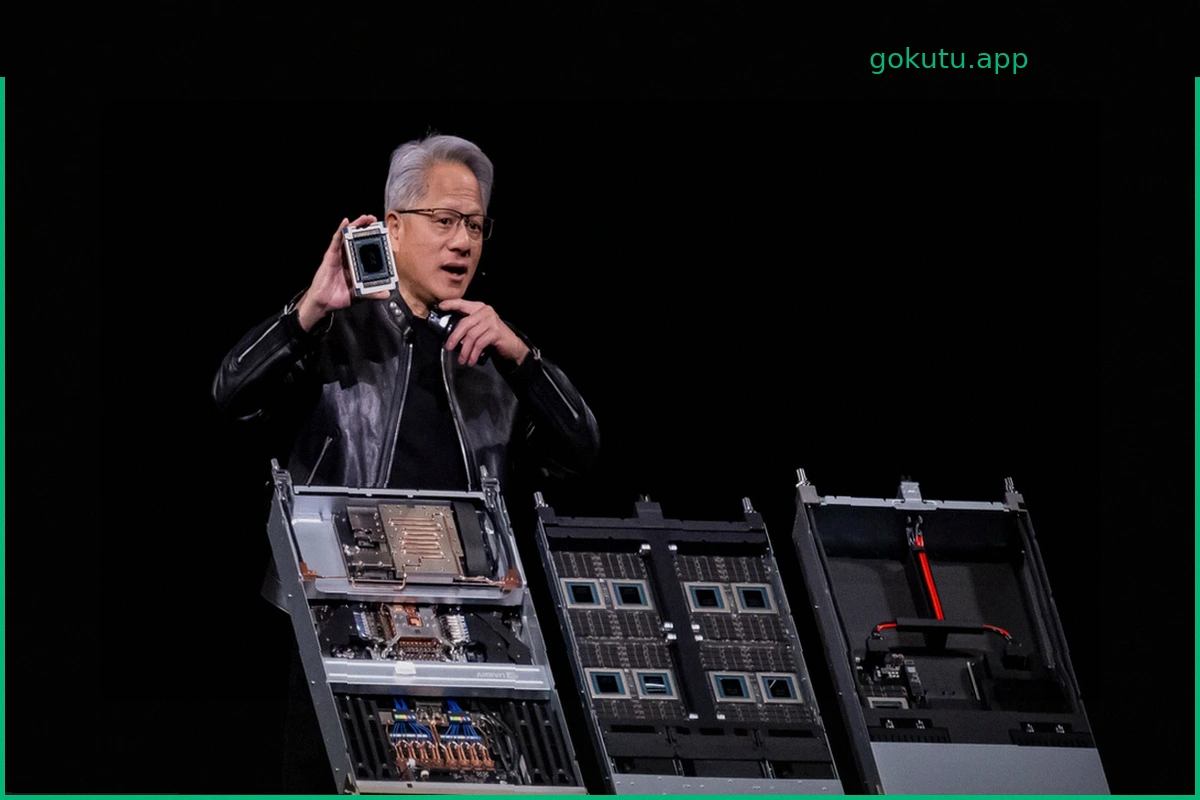
Nvidia's Earnings: Investor Concerns About Hyperscaler Dependence
Nvidia has been a primary beneficiary of the artificial intelligence boom, supplying data centers with its graphics processing units (GPUs) that power the largest AI models. However, a persistent concern among investors, as the company aims to build on its substantial market capitaliz

Oil Drops More Than 3% on Report U.S. Plans to Return Evacuated Diplomats to Middle East
Oil prices experienced a decline of over 3% on Tuesday following a report by The New York Times indicating the State Department's intention to redeploy evacuated diplomats to the Middle East. This move suggests that the United States does not anticipate a full-scale resumption of war. Brent cru

China's Shifting Global Health Landscape: Terms Still Under Discussion
China is increasingly influencing the global health agenda, offering other countries access to affordable diagnostics, medicines, and other healthcare resources through its partnerships. While these collaborations can be beneficial, there is a crucial need for international institutions to pla

Porsche Forges $1.5 Billion AI Partnership with India's Tata Consultancy Services
Porsche has entered into a substantial five-year agreement with Tata Consultancy Services (TCS), India's premier IT services company, to deploy artificial intelligence (AI) solutions. The deal is valued at approximately 1.25 billion euros ($1.46 billion). As a key component of
Main Street Sports Sues Comcast, Charter Over Alleged Underpaid Licensing Fees
Main Street Sports, the former operator of a collection of regional sports networks, has initiated legal action against major cable providers Comcast and Charter Communications. The company is pursuing separate lawsuits, accusing both distributors of failing to pay adequate licensing fees.
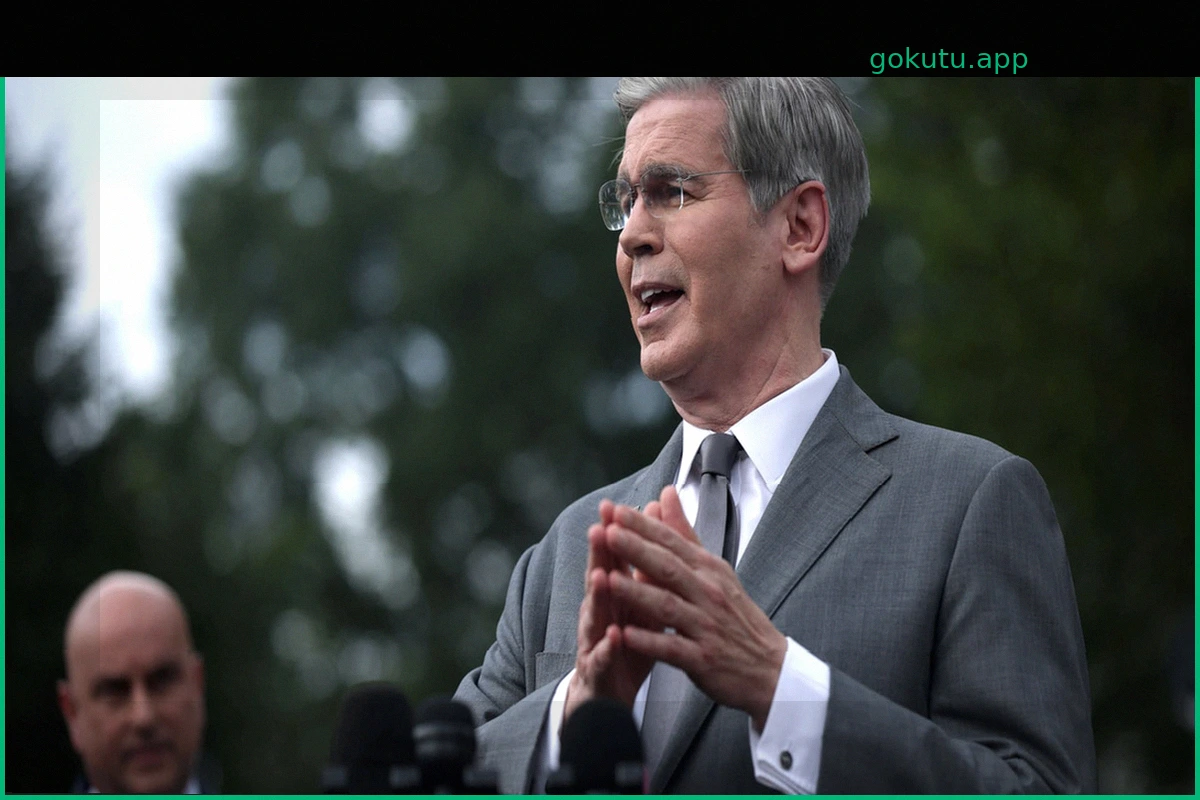
US Treasury May Tap Near $1 Trillion General Account for Bond Buybacks
According to two senior Treasury officials, the US Treasury Department might leverage its substantial General Account (TGA), which currently holds close to $1 trillion, to finance its recently announced initiative to boost government bond purchases. This strategic move could provide th