US Treasury May Tap Near $1 Trillion General Account for Bond Buybacks
According to two senior Treasury officials, the US Treasury Department might leverage its substantial General Account (TGA), which currently holds close to $1 trillion, to finance its recently announced initiative to boost government bond purchases. This strategic move could provide the Treasury with significant leverage to impact long-term bond yields.
Last week, the Treasury surprised the market by doubling the size of its buyback operations for off-the-run securities on the long end of the curve, from $2 billion to a minimum of $4 billion. Treasury Secretary Scott Bessent indicated on CNBC that these operations could potentially exceed the new, higher minimum.
While the Treasury did not specify the funding source for these enhanced buybacks, most market participants assumed it would involve the issuance of short-term bills. The senior Treasury officials confirmed this possibility, with Bessent referring to the operation as a "Treasury Twist," a term that typically implies buying long-term Treasuries and financing them through short-term issuance. This suggests that short-term bonds would indeed be sold.
However, following the unexpected announcement, bonds experienced a retreat from their initial rally, leading to higher yields. This market reaction was partly attributed to skepticism from many market analysts regarding the effectiveness of the operation and concerns about the Treasury's limited resources.
The potential use of the TGA could shift this perception. The TGA functions as the government's primary checking account, a reserve held at the Federal Reserve and funded through existing tax revenues. Secretary Bessent has managed to increase the TGA balance to approximately $950 billion, considerably exceeding the Biden administration's stated goal of $550 billion to $600 billion.
The officials declined to comment on the specific amount of the TGA that might be utilized or the timeline for any potential announcement. They clarified that the funds would likely be confined to purchasing off-the-run securities, as announced last week. Nevertheless, they affirmed that the TGA is considered an available resource.
No Need for the Fed's Assistance
The size of the TGA is a matter of discretion. During Janet Yellen's tenure as Treasury Secretary, the policy was to maintain the TGA at a level sufficient for "a week ahead of cash needs." The current Treasury states its practice is to manage the account "consistent with Treasury's long-standing cash balance policy." If any funds are drawn from the TGA and the Treasury aims to maintain its near-$1 trillion balance, additional bonds would need to be sold to replenish it.
However, operating with a slightly lower TGA balance would not appear to pose any immediate risks. A reduction in the TGA would mean less readily available cash for the government in the event of another debt-ceiling standoff. Current estimates suggest a new debt limit may not be reached until next winter, or possibly early spring, allowing ample time to rebuild the TGA if necessary. In the interim, even a modest use of the TGA, or simply the acknowledgment of its potential use for bond purchases, could influence bond yields.
Furthermore, utilizing the TGA would alleviate concerns voiced by some bond market participants that the Federal Reserve might be called upon to assist the Treasury in these operations. While the Fed holds the TGA, it does not consider it part of its monetary policy tools.
The Treasury officials addressed criticisms that the surprise announcement deviated from the Treasury's established practice of being "regular and predictable" in its bond sales and that it was attempting to manipulate the market. They pointed out that the enhanced buyback plan was announced nearly three weeks before the first operation on September 9th, allowing markets sufficient time to prepare, and that the official auction schedules for other securities remained unchanged.
They added that it was premature to assess the market impact, as the first auction was still some time away.
Secretary Bessent told CNBC that the Treasury's objective was to encourage the market to "focus on the fundamentals and not trade the headlines during… a quiet period in a thin market. So we are trying to keep the market in equilibrium."
He expressed optimism about an improvement in the deficit once tariff revenues rebound, following the resolution of court-mandated refunds and the implementation of new tariffs. He also indicated that senior officials would soon convene to formulate plans to enhance the fiscal situation.
The US Treasury Department is reportedly contemplating the use of its General Account (TGA), which holds nearly $1 trillion, to fund an expanded government bond buyback program. This initiative aims to influence long-term bond yields and address market concerns.
According to senior Treasury officials, the Treasury might utilize its substantial General Account (TGA), currently holding close to $1 trillion, to finance its recently announced plans to increase government bond purchases. This could provide significant leverage for the Treasury to influence long-term bond yields.
Last week, the Treasury surprised markets by doubling its buyback operations for off-the-run securities on the long end, from $2 billion to at least $4 billion. Treasury Secretary Scott Bessent mentioned on CNBC that these operations could potentially be even larger than the new minimum.
While the Treasury did not disclose the funding mechanism for these purchases, most market participants assumed it would involve selling short-term bills. Senior Treasury officials did not dismiss this, and Bessent referred to the operation as a "Treasury Twist," which implies buying long-term Treasuries and financing them through short-term issuance, suggesting the sale of short-term bonds.
However, since the surprise announcement, bonds have retreated from an initial rally, causing yields to rise. This is partly due to skepticism from many market analysts about the operation's effectiveness and whether the Treasury's resources are sufficient.
The potential use of the TGA could change this perception. The TGA is essentially the government's checking account at the Federal Reserve, funded by existing tax collections. Bessent has increased the TGA to approximately $950 billion, significantly exceeding the Biden administration's target of $550 billion to $600 billion.
The officials did not specify how much of the TGA might be used or when an announcement could be made. They indicated it would likely be limited to the purchase of off-the-run securities mentioned in last week's announcement, but confirmed it is considered available.
No Need for the Fed's Help
The size of the TGA is discretionary. Under Janet Yellen, the goal was to keep it at a level sufficient for "a week ahead of cash needs." The current Treasury states it manages the account "consistent with Treasury's long-standing cash balance policy." If TGA funds are used and the near-$1 trillion level is to be maintained, additional bonds would need to be sold to replenish it.
However, running the TGA somewhat lower would not present immediate risks. A reduced TGA would mean less cash on hand for the government in a potential debt-ceiling impasse. Current estimates suggest a new limit won't be reached until next winter or possibly early spring, allowing time to rebuild the TGA if needed. Meanwhile, even minimal use of the TGA, or just the acknowledgment of its potential use for bond purchases, could influence bond yields.
It would also alleviate concerns from some bond market participants that the Fed might be asked to assist the Treasury. While the Fed holds the TGA, it does not consider it part of its monetary policy toolkit.
The Treasury officials countered criticisms that the announcement broke the Treasury's long-standing commitment to being "regular and predictable" and was an attempt to manipulate the market. They stated that official auction schedules for other bonds were not altered and that the announcement was made nearly three weeks before the first operation on September 9th, providing markets with time to prepare. The plan for the entire quarter was also announced on August 19th.
They also noted it was too early to judge the market impact, given that the first auction is not until September 9th.
Bessent told CNBC that the Treasury intended to encourage the market to "focus on the fundamentals and not trade the headlines during… a quiet period in a thin market. So we are trying to keep the market in equilibrium."
He anticipates progress on the deficit once tariff revenues recover after court-mandated refunds are replaced by new tariffs. He also mentioned that top officials would soon meet to develop plans to improve the fiscal situation.
The US Treasury Department is reportedly considering using its General Account (TGA), which holds nearly $1 trillion, to finance an increased government bond buyback program. This move aims to influence long-term bond yields and reassure markets.
According to two senior Treasury officials, the Treasury might utilize its nearly $1 trillion General Account (TGA) to help fund its recently announced plans to increase purchases of government bonds. This would give the Treasury significant power to influence long-term bond yields.
Last week, the Treasury surprised markets by doubling its buyback operations for off-the-run securities on the long end, from $2 billion to at least $4 billion. Treasury Secretary Scott Bessent stated on CNBC that these operations could be even larger than the new minimum.
While the Treasury did not mention how it would fund these purchases, most market participants assumed it would be through selling short-term bills. The senior Treasury officials did not rule this out, with Bessent calling the operation a "Treasury Twist," a reference to buying long-term Treasuries and financing them with short-term issuance, implying short-term bonds would be sold.
However, after the surprise announcement, bonds retreated from an initial rally, sending yields higher. This was partly due to skepticism from many market analysts about the operation's effectiveness and whether the Treasury's resources were sufficient.
Using the TGA could change this perception. The TGA is essentially the government's checking account held at the Federal Reserve, funded by existing tax collections. Bessent has built up the TGA to around $950 billion, well above the Biden administration's goal of $550 billion to $600 billion.
The officials would not say how much of the TGA might be used or when an announcement could be made. They clarified that it would likely be for purchasing off-the-run securities as announced, but confirmed it is considered available.
No Need for the Fed's Assistance
The size of the TGA is discretionary. Previously, the goal was to keep it at a level sufficient for "a week ahead of cash needs." The current Treasury states it manages the account "consistent with Treasury's long-standing cash balance policy." If TGA funds are used and the near-$1 trillion level is to be maintained, additional bonds would need to be sold to rebuild it.
However, operating with a slightly lower TGA balance would not pose immediate risks. A reduced TGA would mean less cash on hand for the government in case of a debt-ceiling impasse. Current estimates suggest a new limit won't be hit until next winter, or possibly early spring, allowing time to rebuild the TGA if needed. Meanwhile, even a small use of the TGA, or the recognition that the Treasury would use it for bond purchases, could influence bond yields.
It would also limit concerns from some bond market participants that the Fed might be asked to help the Treasury. While the Fed holds the TGA, it does not consider it part of its monetary policy toolkit.
The Treasury officials pushed back against criticism that the announcement deviated from the Treasury's commitment to being "regular and predictable" and was an attempt to game the market. They stated that official auction schedules were not changed and that the announcement was made nearly three weeks before the first operation on September 9th, giving markets time to prepare. The plan for the entire quarter was also announced on August 19th.
They added that it was too early to judge the market impact, as the first auction is not scheduled until September 9th.
Bessent told CNBC that the Treasury's intent was to get the market to "focus on the fundamentals and not trade the headlines during… a quiet period in a thin market. So we are trying to keep the market in equilibrium."
He expects progress in deficit reduction when tariff revenue returns after court-mandated refunds are replaced by new tariffs. He also mentioned that top officials would soon meet to develop plans to improve the fiscal situation.
Fresh materials — MMA news

Singapore Inflation Hits Highest in Nearly Two Years, But Undershoots Expectations
Singapore experienced its highest inflation rate in nearly two years in July, reaching 2.2% year-on-year. This figure, however, was slightly lower than the 2.3% anticipated by economists polled by Reuters and the 1.9% recorded in June. On a monthly basis, the consumer price index saw a 0.2% decr
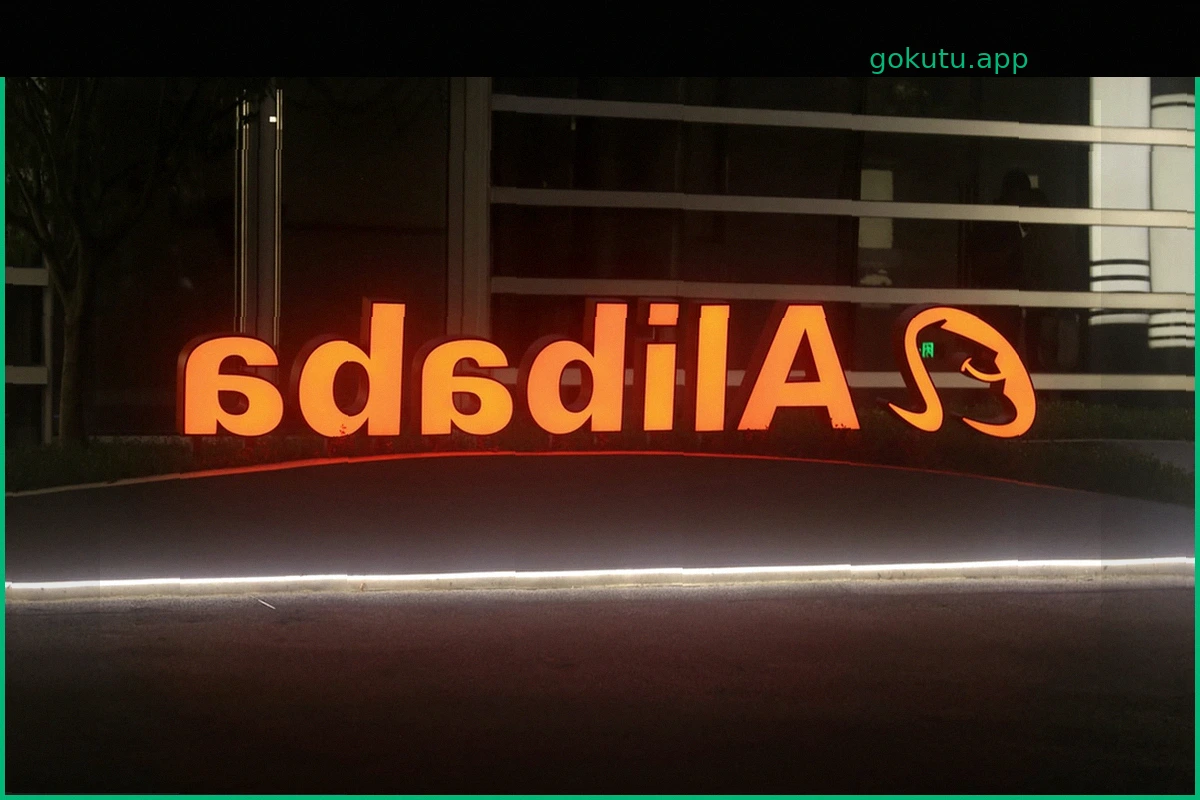
Alibaba Plunges After Announcing $10.2 Billion Share Placement for AI Initiatives
Shares of Alibaba experienced a sharp decline, falling as much as 10% in Hong Kong on Monday. This downturn followed the Chinese tech conglomerate's announcement of a HK$80 billion ($10.2 billion) placement of newly issued shares to non-U.S. investors. The company stated its intention
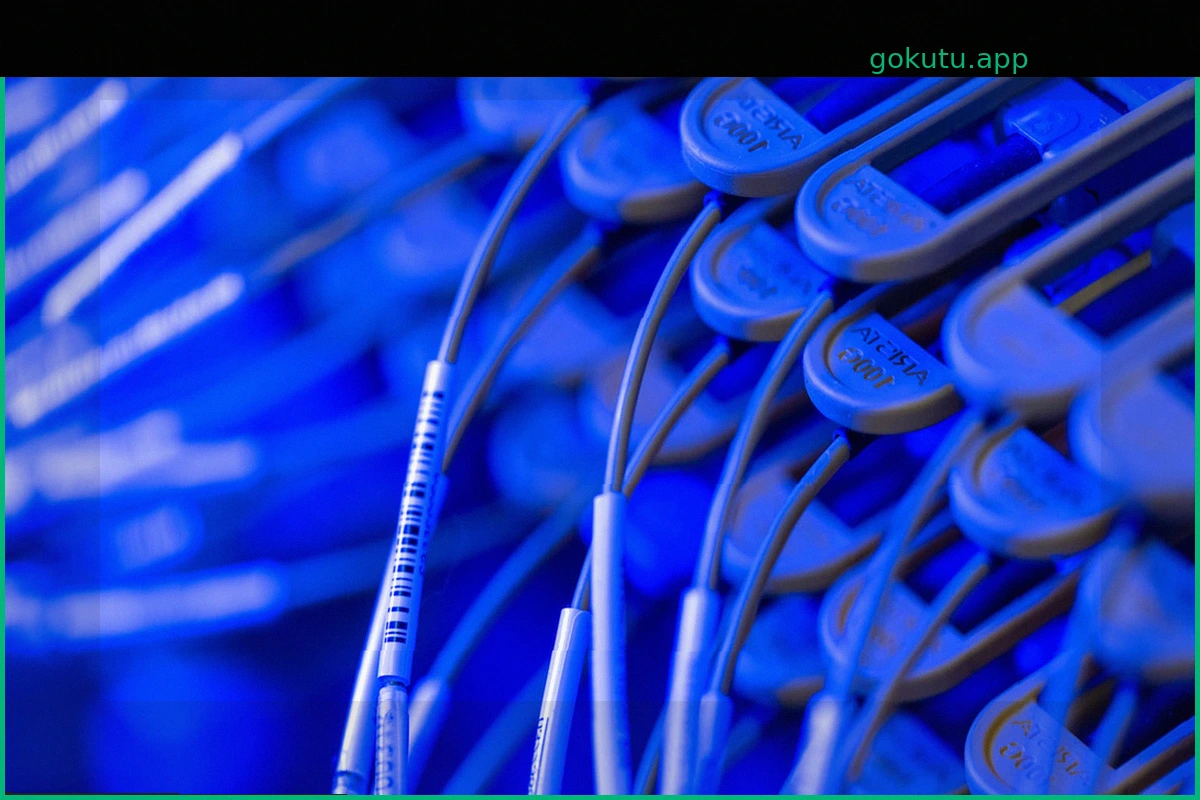
UK Power Plant Disrupted by Iran-Linked Cyberattack, Report Claims
A minor power generation facility in the United Kingdom experienced a four-day operational shutdown in July following a cyberattack. The incident has been linked by The Telegraph newspaper to hackers with alleged connections to Iran. This event occurred con
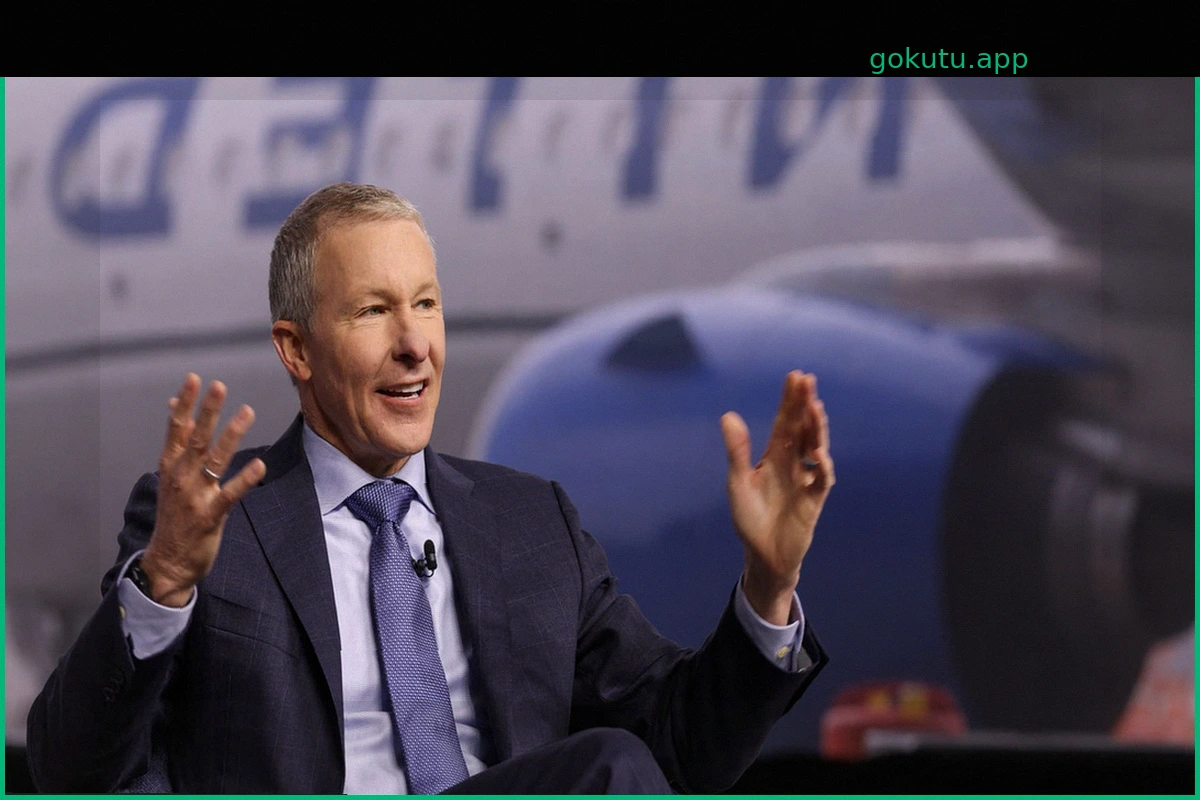
United CEO Scott Kirby's Ambitious Vision for the Airline's Future
Scott Kirby, CEO of United Airlines, is looking beyond immediate competition and focusing on the long-term strategic growth of his airline. Despite a past departure from American Airlines, Kirby emphasizes aggressive competition rather than personal vendettas. Under his leadership, United has bec

Paramount and California AG's Office Reportedly Meeting to Discuss WBD Lawsuit Settlement
Paramount and the California Attorney General's office are reportedly scheduled to meet on Monday to discuss a potential resolution to the antitrust lawsuit aimed at preventing Paramount's acquisition of Warner Bros. Discovery. This meeting comes amid increasing pressure from various e
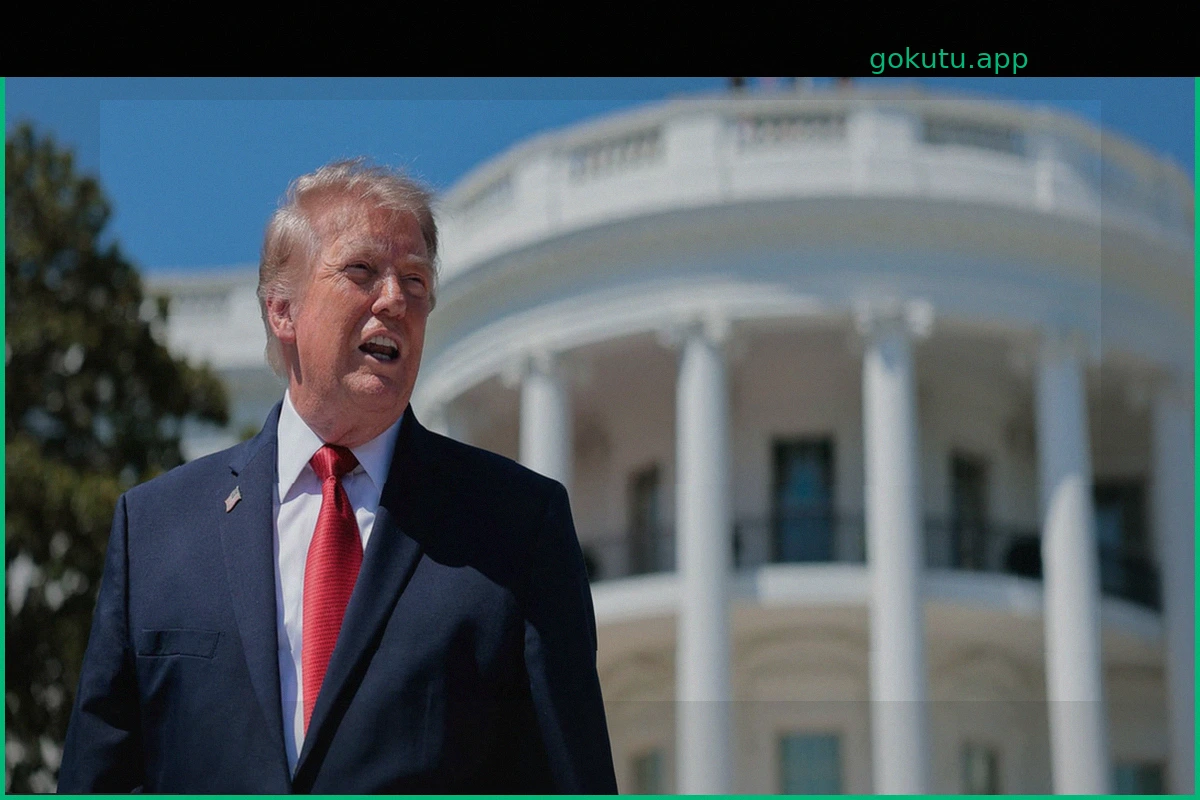
Trump's June Portfolio: Swaps Meta for Berkshire Hathaway, Diversifies Holdings
President Donald Trump executed a substantial overhaul of his investment portfolio in June, engaging in over a thousand transactions involving stocks, bonds, and exchange-traded funds. The total value of these reported dealings ranged from $78.1 million to $263.1 million, as detailed