Oil Drops More Than 3% on Report U.S. Plans to Return Evacuated Diplomats to Middle East
Oil prices experienced a decline of over 3% on Tuesday following a report by The New York Times indicating the State Department's intention to redeploy evacuated diplomats to the Middle East. This move suggests that the United States does not anticipate a full-scale resumption of war.
Brent crude oil futures saw a decrease of 3.4%, trading at $89.05 per barrel, marking its lowest point since August 13. Concurrently, U.S. West Texas Intermediate crude futures fell by 3.6%, with prices hovering around $81.99 per barrel.
These downward movements on Tuesday extended the declines observed on Monday, when Brent crude prices had already dropped by 3%. While direct U.S. military actions in the Middle East have diminished in recent weeks, Washington has intensified its efforts to exert significant economic pressure on Iran.
This week, the U.S. government introduced a new series of sanctions targeting Iran and entities identified as 'enablers' that continue to engage in trade with the country. The White House has characterized these measures as an 'economic D-Day,' with Treasury Secretary Scott Bessent describing the initiative as "the single greatest financial offensive ever" on Monday.
Despite these economic tactics, U.S. Defense Secretary Pete Hegseth stated on Monday that the possibility of further American military strikes in the Middle East remains a consideration. He emphasized that while economic pressure is currently the most effective tool against Iran, the U.S. is not ruling out the use of kinetic strikes in the Strait of Hormuz or surrounding Iranian waters if necessary.
In response, Iran's Economy Minister Ali Madanizadeh asserted on state television that Tehran is "fully prepared" to withstand additional U.S. sanctions, claiming the government has a two-year plan to manage such events and possesses its own strategies.
China Vows to Defend Its Interests
China, a major trading partner of Iran, has consistently advocated for a diplomatic resolution to the conflict. Under the new "economic D-Day" strategy, China could face repercussions for its continued oil purchases from Iran. On Tuesday, Chinese Foreign Ministry Spokesperson Lin Jian declared that Beijing would "do everything necessary to firmly safeguard its rights and interests," reiterating China's opposition to unilateral sanctions lacking international legal basis or UN Security Council authorization, and stating that economic warfare offers no solution.
He further noted that China's cooperation with Iran adheres to international law and should not be obstructed. Strategists at BBH commented that the Trump administration's latest sanctions are more of a "warning shot than a decisive blow," highlighting that targeting China, Iran's largest trading partner and the primary buyer of its oil exports, presents a significant constraint on the credibility of U.S. sanctions. They warned that imposing sanctions on China for trading with Iran could risk financial disruption, Chinese retaliation, and jeopardize the delicate détente between the U.S. and China.
Fresh materials — MMA news

Nvidia's Earnings: Investor Concerns About Hyperscaler Dependence
Nvidia has been a primary beneficiary of the artificial intelligence boom, supplying data centers with its graphics processing units (GPUs) that power the largest AI models. However, a persistent concern among investors, as the company aims to build on its substantial market capitaliz

China's Shifting Global Health Landscape: Terms Still Under Discussion
China is increasingly influencing the global health agenda, offering other countries access to affordable diagnostics, medicines, and other healthcare resources through its partnerships. While these collaborations can be beneficial, there is a crucial need for international institutions to pla

Porsche Forges $1.5 Billion AI Partnership with India's Tata Consultancy Services
Porsche has entered into a substantial five-year agreement with Tata Consultancy Services (TCS), India's premier IT services company, to deploy artificial intelligence (AI) solutions. The deal is valued at approximately 1.25 billion euros ($1.46 billion). As a key component of

Paramount CEO David Ellison Faces Final Hurdle in Warner Bros. Discovery Acquisition
David Ellison, at the helm of Paramount for just over a year, is nearing the conclusion of his nearly year-long effort to acquire Warner Bros. Discovery (WBD). However, a formidable obstacle has emerged: a coalition of state attorneys general aiming to halt the transaction. Thi

Main Street Sports Sues Comcast, Charter Over Alleged Underpaid Licensing Fees
Main Street Sports, the former operator of a collection of regional sports networks, has initiated legal action against major cable providers Comcast and Charter Communications. The company is pursuing separate lawsuits, accusing both distributors of failing to pay adequate licensing fees.
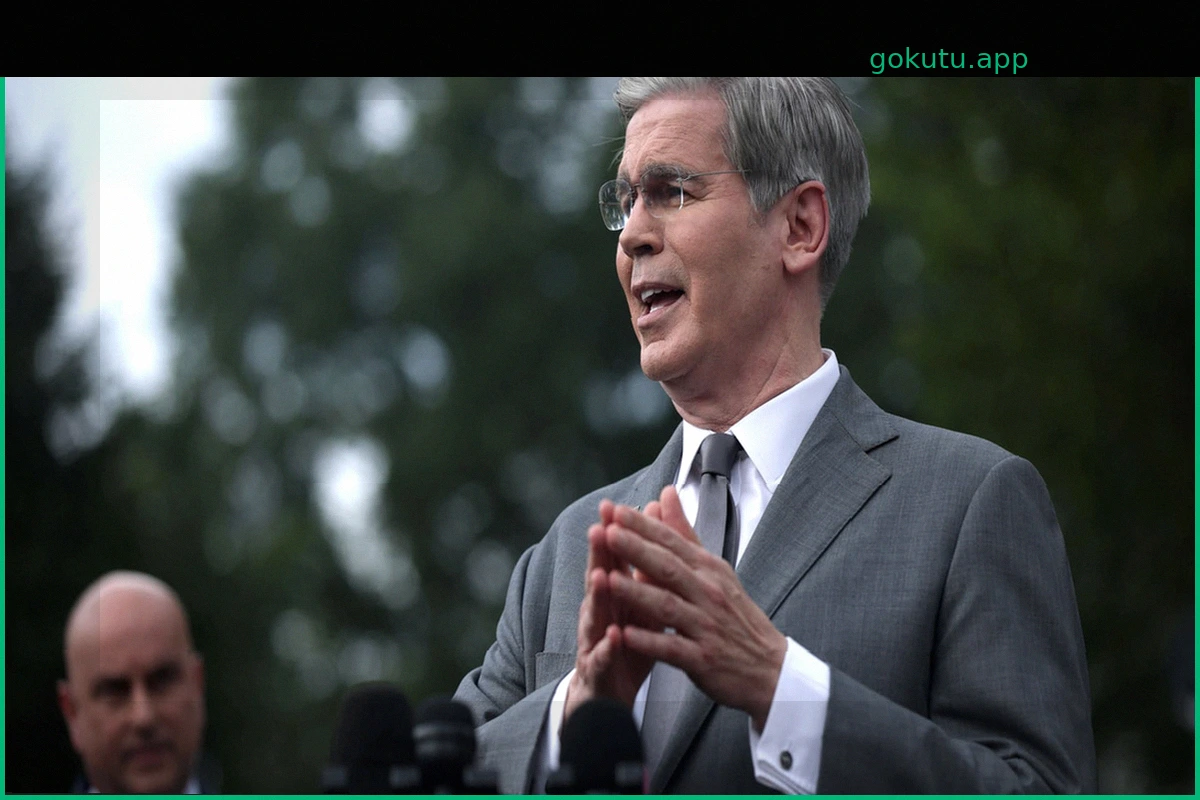
US Treasury May Tap Near $1 Trillion General Account for Bond Buybacks
According to two senior Treasury officials, the US Treasury Department might leverage its substantial General Account (TGA), which currently holds close to $1 trillion, to finance its recently announced initiative to boost government bond purchases. This strategic move could provide th