Iran's Trade Decline Amidst Calls to Reduce US Dollar Reliance
Iran's trade has experienced a sharp decline due to U.S. sanctions and a naval blockade, according to President Masoud Pezeshkian. This comes as Supreme Leader Mojtaba Khamenei has called for a reduction in reliance on the U.S. dollar, advocating for increased economic self-sufficiency and prioritizing a "Resistance Economy."
President Pezeshkian stated that Iran has seen a 25% to 35% decrease in trade, with imports experiencing a more significant drop than exports. He questioned the assertion that sanctions have no effect, pointing to these statistics as evidence to the contrary.
In parallel, Supreme Leader Khamenei emphasized the importance of economic growth, boosting production, and gradually phasing out the U.S. dollar's central role in the economy.
Intensified Sanctions Campaign
The U.S. Treasury Secretary Scott Bessent has launched 'Operation Economic Outcast,' a sanctions campaign aimed at severing Iran's global economic ties. In a recent action, the Treasury Department proposed cutting off the UAE operations of Egyptian bank Banque Misr from correspondent banking access to U.S. financial institutions, citing alleged financial ties to Iran. Banque Misr UAE reportedly processed approximately $1.8 billion over the past two years for companies believed to be part of Iran's shadow banking network.
The bank has stated it is cooperating with authorities, and the regulatory action is specific to its UAE branch.
Iranian crude oil exports have fallen significantly as the U.S. escalates economic pressure through sanctions and its naval blockade. Data indicates a substantial decrease in crude oil loaded for export in August compared to the previous year, with loadings down significantly from 2025 levels. This intensified pressure by the U.S. follows Iran's attacks on oil tankers transiting the Strait of Hormuz.
Iranian Oil Reserves and the Blockade
U.S. Central Command reported redirecting, disabling, and boarding commercial vessels to ensure compliance with the blockade. The U.S. administration believes this economic pressure will eventually force Iran to capitulate.
While the blockade is considered highly effective in impacting Iran's crude export capabilities, Iran's Ministry of Petroleum claims to have sufficient oil reserves to meet its budget requirements for 2026-2027, even while bypassing maritime blockades. The ministry also reported transferring significant proceeds from oil sales to the central bank, sufficient to cover foreign currency expenditures through early 2027.
The current standoff marks six months since the U.S. and Israel launched major combat operations in Iran, leading to retaliatory strikes and a wider conflict in the Middle East. Despite initial expectations, the conflict has evolved into a prolonged standoff with no clear end in sight, and efforts to reopen the Strait of Hormuz remain unresolved.
Fresh materials — MMA news
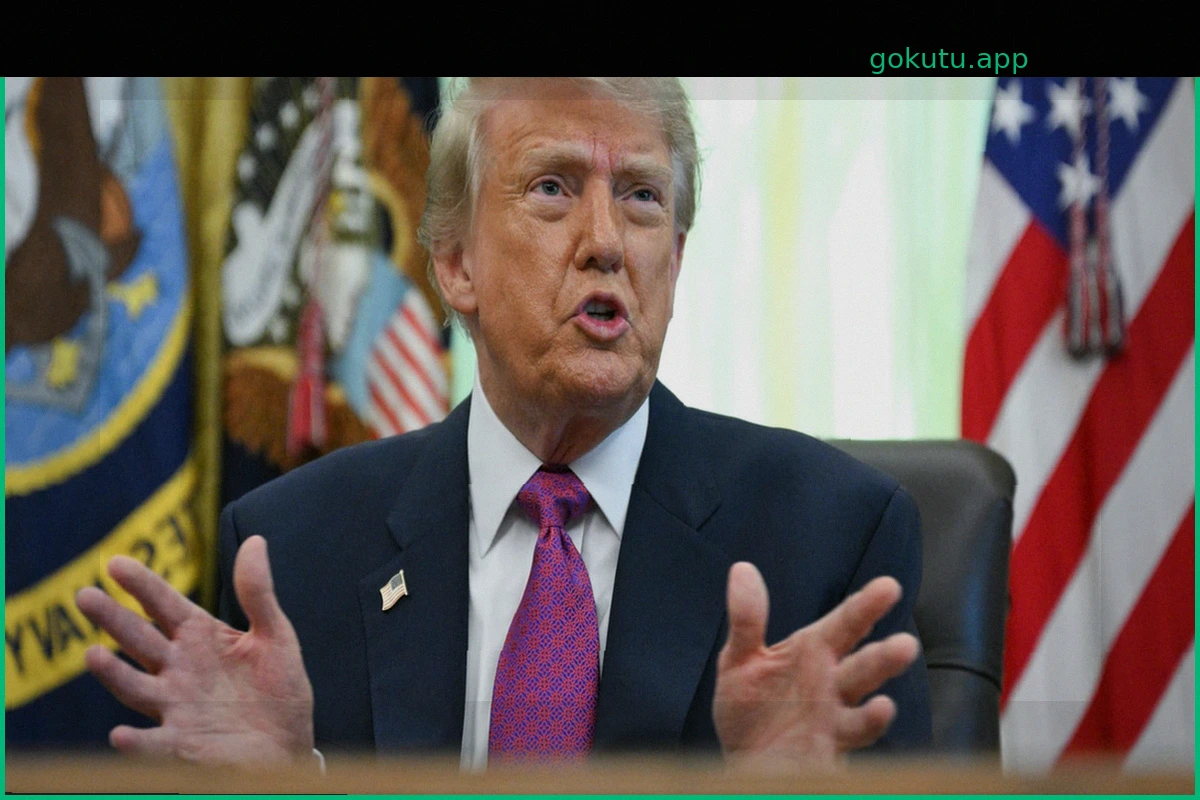
Federal Judge Denies Trump's Bid to Move Hush Money Case to Federal Court
A federal judge has rejected an attempt by former President Donald Trump to transfer his New York criminal case, related to hush money payments, to federal court. The judge, Alvin Hellerstein, stated that Trump waited too long after his conviction in May 2024 to request the case be mo

FDA Approves Bixlenvo, a Daily HIV Pill from Gilead, to Simplify Treatment for Select Patients
The U.S. Food and Drug Administration has given the green light to a new once-daily HIV pill developed by Gilead, a move expected to streamline care for certain individuals living with the virus. This new medication, known as Bixlenvo, is intended for patients whose viral load is alre
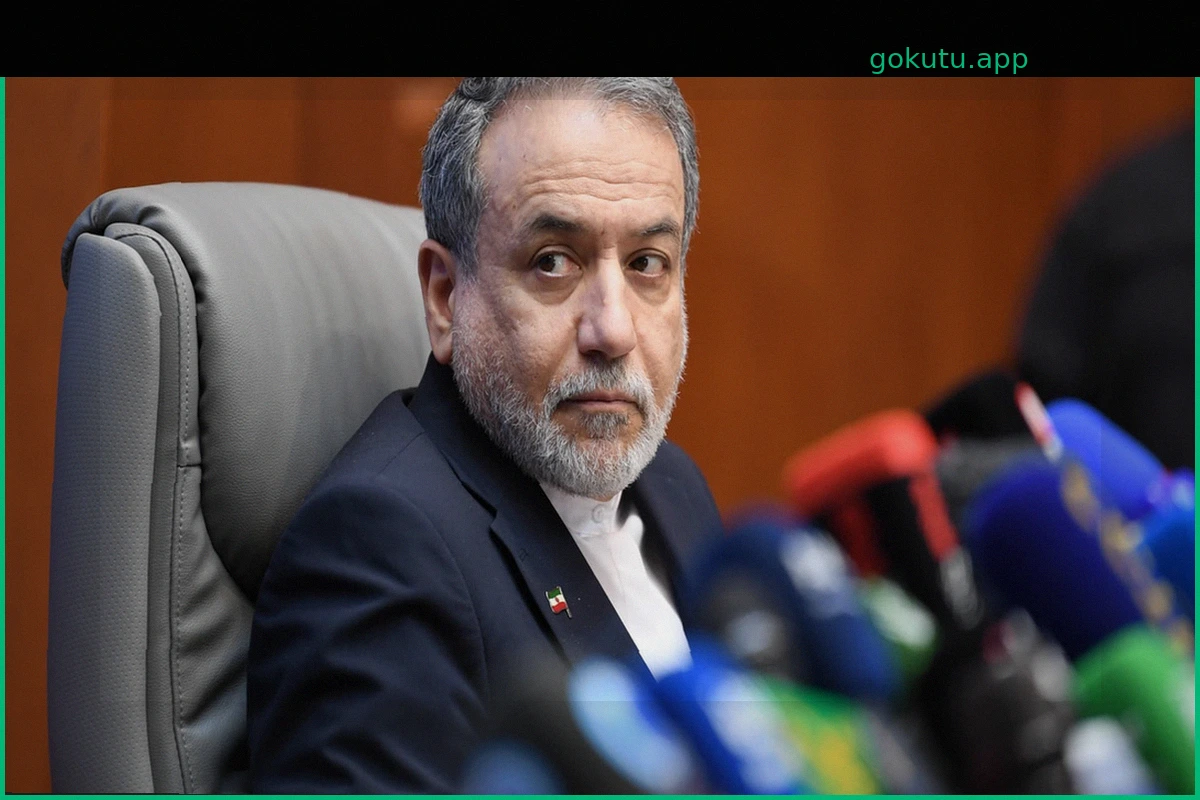
Iran Calls for Global Pushback Against U.S. Sanctions, Sees Diplomacy as Possible
Iran has stated its prerequisites for reopening the Strait of Hormuz, which include the cessation of wars and military operations throughout the Middle East. According to Mohsen Rezaei, the secretary of Iran's Supreme National Security Council, any accord with the United State
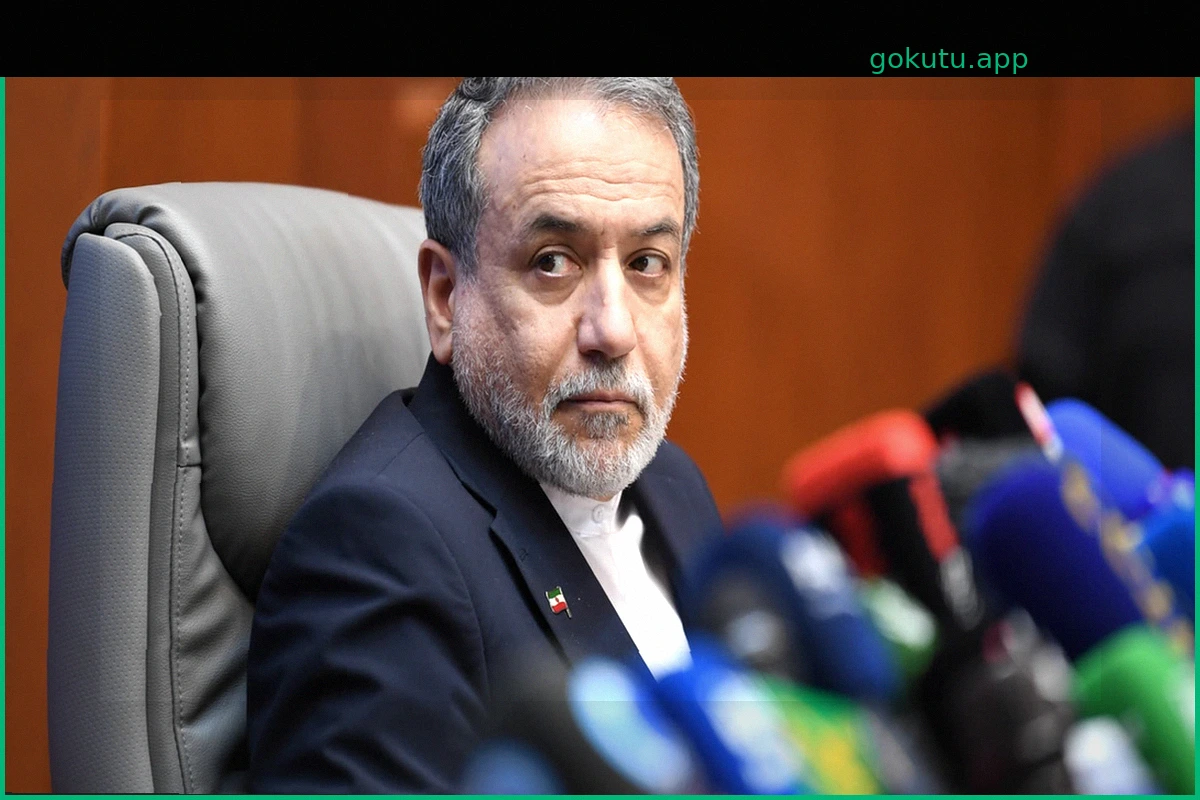
Iran's Conditions for Reopening Hormuz Strait: Diplomacy Tied to Regional Peace
Iran has articulated its requirements for the reopening of the Strait of Hormuz, emphasizing that an end to the ongoing conflicts across the Middle East is a prerequisite. According to Mohsen Rezaei, secretary of Iran's Supreme National Security Council, any accord with the United States conce

Treasury Yields Stable Ahead of Warsh's Jackson Hole Speech
Treasury yields remained largely unchanged in early trading on Friday, with global investors keenly anticipating the significant keynote speech by Federal Reserve Chair Kevin Warsh at the Jackson Hole Economic Policy Symposium. The yield on the 10-year Treasury note saw a slight increase of

Trump's Greenland Interest Puts Iceland's EU Vote in Spotlight
Icelanders are poised to vote in a close referendum on whether to restart accession talks with the European Union. This decision is gaining heightened importance following U.S. President Donald Trump's assertive stance on Greenland and the Arctic. The question facing the nation