Are You Richer Than You Think? How to Discover and Manage Unexpected Wealth
It's a common fantasy: discovering that you have hidden financial assets you never knew about. While the idea of an anonymous benefactor might be far-fetched, the reality is that many people have forgotten or lost money waiting to be claimed. In 2023 alone, Americans had approximately $70 billion in unclaimed property, ranging from uncashed paychecks to inactive brokerage accounts and life insurance benefits. States returned over $4 billion to owners in just one fiscal year.
Could some of that money be yours? Finding out typically requires a bit of investigation. Financial experts advise having a plan in place for any unexpected funds to ensure they contribute to your financial goals, as windfalls can sometimes alter our perception of money and lead to impulsive spending.
How to Find Money That's Already Yours
Before you can manage newfound wealth, you need to locate it. If you suspect a specific lost asset, like a private-sector pension benefit, you may need to contact relevant organizations such as the Pension Benefit Guaranty Corporation, which holds unclaimed benefits.
For a broader search, the website MissingMoney.com, endorsed by the National Association of Unclaimed Property Administrators (NAUPA), serves as a central hub for unclaimed property across most U.S. states. You can search by name or business nationwide or focus on states where you've previously lived or conducted business. This is particularly helpful for individuals who have moved frequently.
Searches may reveal assets belonging to various family members, not just yourself. It's not uncommon to find assets listed in a state where you've never lived. Unclaimed property is typically sent to the owner's last known address, but if that's unknown, it can go to the state where the business is incorporated.
Each state has its own procedures for claiming property, which can vary depending on the type of asset. Once you initiate a claim through MissingMoney.com, the relevant state will contact you with specific rules and instructions. Regardless of the amount, you'll need to provide documentation to prove ownership. Patience and diligence are key when working with states to confirm your identity and reclaim your misplaced funds.
Avoid Psychological Traps with 'Found' Money
Ideally, any unexpected money should be treated the same as your regular income, with a portion allocated to financial goals like emergency funds, retirement savings, or debt reduction. However, psychologically, people often treat found money differently.
Fuzzy Mental Accounting
While money is generally interchangeable, unexpected windfalls can create a sense of "non-fungibility." This means you might feel your earned income should go towards necessities, but "found" money feels like it's meant for enjoyment or treating yourself. This can lead to spending on non-essential items rather than achieving long-term financial objectives.
Accounts as Symbols
Conversely, some individuals may experience the "endowment effect" when discovering forgotten accounts. They might hesitate to spend or move the money due to its perceived symbolic significance. For instance, recipients of life insurance payouts might feel spending the money on something frivolous would be disrespectful. Similarly, someone inheriting stocks might hold onto them simply because a loved one purchased them, rather than diversifying their portfolio as a financial advisor might suggest.
Whether you spend or save unexpected money isn't inherently right or wrong. However, when you come into a previously unknown sum, it's beneficial to consider how it can best enhance your financial health and well-being. To combat the mental accounting trap, consider proactively labeling your financial accounts with specific goals, such as "retirement fund" or "vacation savings." This can create pre-determined destinations for any money you discover, helping you utilize it constructively.
Fresh materials — MMA news
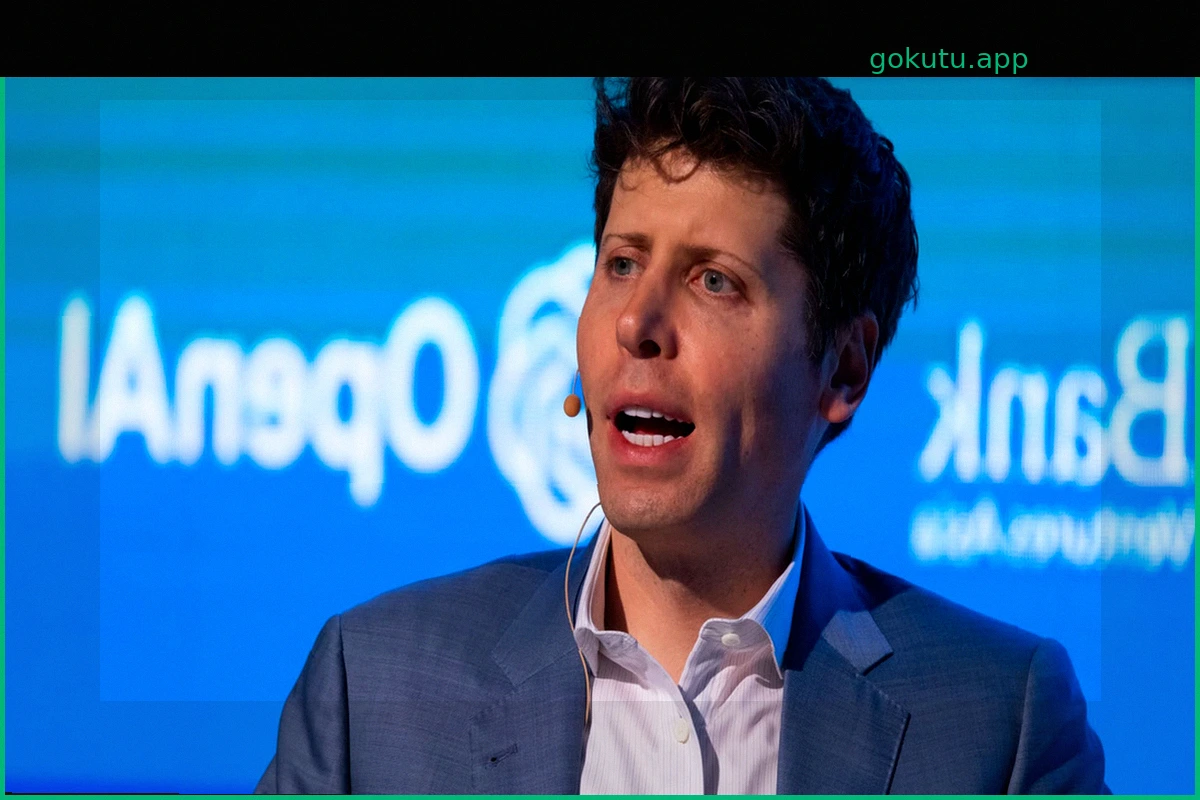
OpenAI Claims Victory with Broadcom Custom Chip, What's Next for Nvidia?
OpenAI has reported substantial performance improvements with its new custom inference chip, codenamed 'Jalapeño'. This processor, developed in collaboration with Broadcom, marks a significant step in OpenAI's ambition to control the entire technological stack underpinning its AI mode
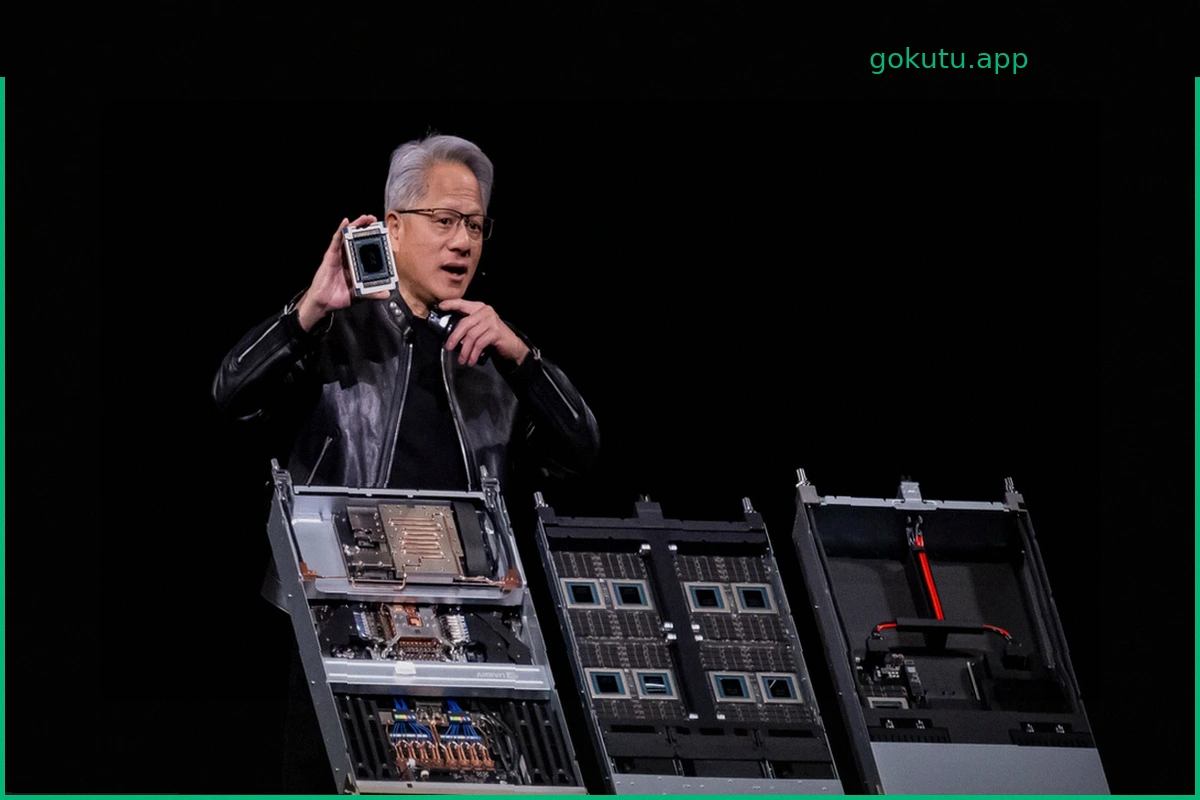
Nvidia's Earnings: Investor Concerns About Hyperscaler Dependence
Nvidia has been a primary beneficiary of the artificial intelligence boom, supplying data centers with its graphics processing units (GPUs) that power the largest AI models. However, a persistent concern among investors, as the company aims to build on its substantial market capitaliz

Oil Drops More Than 3% on Report U.S. Plans to Return Evacuated Diplomats to Middle East
Oil prices experienced a decline of over 3% on Tuesday following a report by The New York Times indicating the State Department's intention to redeploy evacuated diplomats to the Middle East. This move suggests that the United States does not anticipate a full-scale resumption of war. Brent cru

China's Shifting Global Health Landscape: Terms Still Under Discussion
China is increasingly influencing the global health agenda, offering other countries access to affordable diagnostics, medicines, and other healthcare resources through its partnerships. While these collaborations can be beneficial, there is a crucial need for international institutions to pla

Porsche Forges $1.5 Billion AI Partnership with India's Tata Consultancy Services
Porsche has entered into a substantial five-year agreement with Tata Consultancy Services (TCS), India's premier IT services company, to deploy artificial intelligence (AI) solutions. The deal is valued at approximately 1.25 billion euros ($1.46 billion). As a key component of

Paramount CEO David Ellison Faces Final Hurdle in Warner Bros. Discovery Acquisition
David Ellison, at the helm of Paramount for just over a year, is nearing the conclusion of his nearly year-long effort to acquire Warner Bros. Discovery (WBD). However, a formidable obstacle has emerged: a coalition of state attorneys general aiming to halt the transaction. Thi