Review: Ariana and the Elder Codex
In an alternate timeline, perhaps we would have recognized the PlayStation Vita as the ultimate platform and embraced it fully. In that reality, Ariana and the Elder Codex would be one of those mid-tier titles that lands in your hands at just the right moment, transforming into a personal favorite—a game you recall fondly, forging a connection with others who know it, much like the innocent camaraderie of strangers wearing the same band t-shirt at a concert.
This game fits that description perfectly: a 2D action platformer, structured into levels yet featuring Metroidvania-like exploration. Players control Ariana, a librarian tasked with venturing into the Seven Codices, magical books containing elemental forces, to repair them and restore dwindling magic to the world. Each codex acts as a distinct level, where the objective is to explore and mend the deteriorating rifts within them. As you find and repair these rifts—primarily combat challenges involving waves of enemies—the story of the book unfolds, guiding you toward its climax and final boss.
It's a straightforward, somewhat predictable game, neither groundbreaking nor severely flawed. Beyond basic movement, Ariana's attacks are mapped to three customizable buttons, allowing players to assign up to six spells (one per button, plus three more used with the right trigger) for offense and defense. Even the basic attack is a spell, which can be assigned freely or replaced entirely, as many spells have negligible cooldowns and no mana cost. Spells are elemental, with each element being weak to its opposite (e.g., water to fire and vice versa). Leveraging these elemental weaknesses against enemies is crucial for surviving battles and, more importantly, for meeting time requirements to achieve the best ratings in rift challenges. The difficulty gradually ramps up; initial codices are relatively easy, but as you progress, combinations of multi-elemental enemies become more frequent and complex. Yet, even in its easier phases, the game remains enjoyable, offering satisfaction in experimenting with various spell and item combinations. Players might find themselves relying on a couple of effective attacks until their utility diminishes due to enemy elements, level design, or simply boredom. Despite its minor imperfections, the game ultimately captivates, thanks to the evident effort and care poured into its design.
The game exhibits a certain craftsmanship, likely attributable to its developer, Hyde. This Japanese studio, though not widely known, has contributed to hundreds of games; a 2015 Polygon article cited over 200 projects. Hyde is one of those studios that often develop for third parties without explicit credit on game boxes or Wikipedia pages, akin to Tose, though slightly less invisible. Ariana and the Elder Codex is notably one of the few games where Hyde is explicitly credited alongside Idea Factory and Compile Heart. Further investigation reveals Hiroshi Aoki, a Taito veteran who directed the cult classic Bujingai, as the game's director. All these factors combined undoubtedly contribute to the noticeable experience and polish.
This is the kind of pastime that was perfect for a jacket pocket during the PS Vita era (I played it on a Steam Deck, which, despite being larger, clunkier, and having worse standby, is perhaps the closest modern equivalent). Today, such a game might struggle to find its niche. It's an enjoyable, light experience—as only a "Metroidvania-lite" can be—comfortable in its refusal to delve deeper than strictly necessary. It’s a fun, low-intensity adventure that never raises its voice. In a gaming landscape now accustomed to the ambitious scope of Silksong, the doujin brilliance of Blade Chimera, and the intense action of Dead Cells, there's arguably less room for a title like Ariana and the Elder Codex than there once was. However, as someone feeling nostalgic for the Vita, I found it genuinely lovely to encounter a game that feels almost like it traveled through time.
Fresh materials — Esports
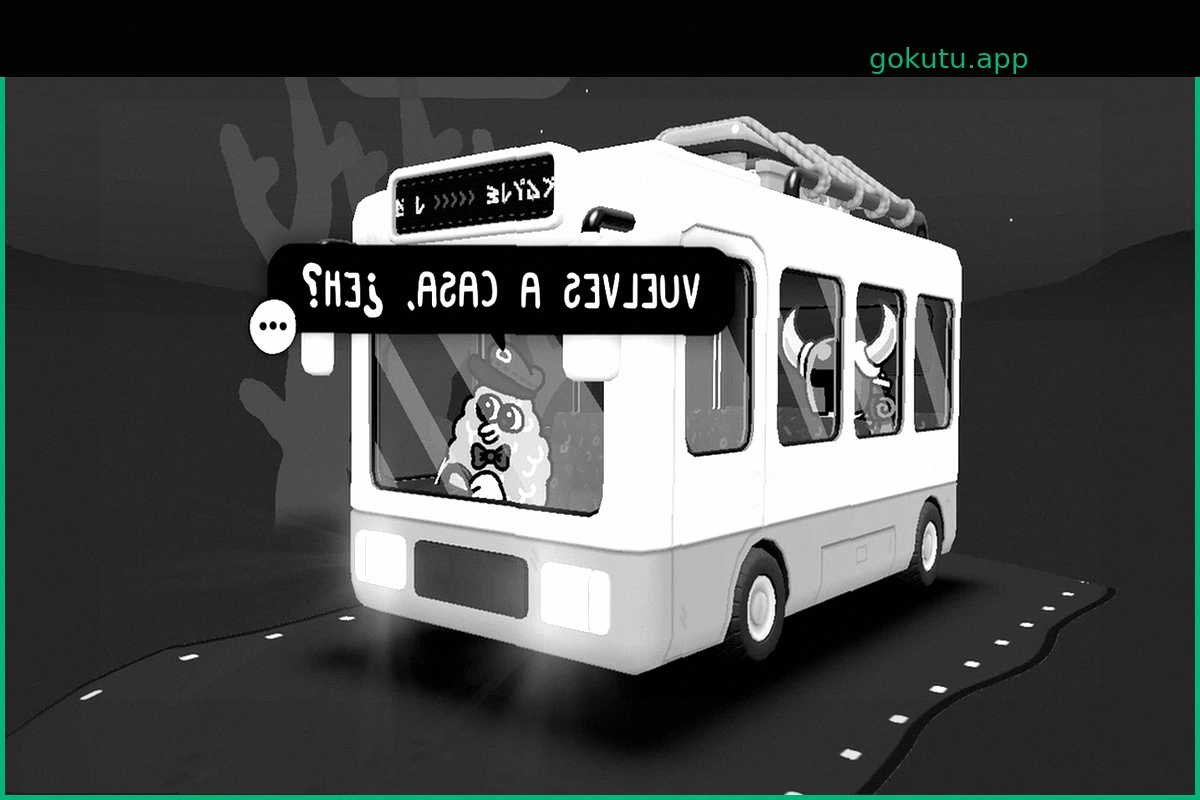
TOEM 2 Review: A Charming Sequel That Expands on the Original
TOEM established itself as a standout indie title, described as "one of the most enjoyable and well-crafted experiences of 2021." The phenomenon of Toem, the in-game event that prompts our adventure, remains the central motivation for returning to the world Something We Made created. When the
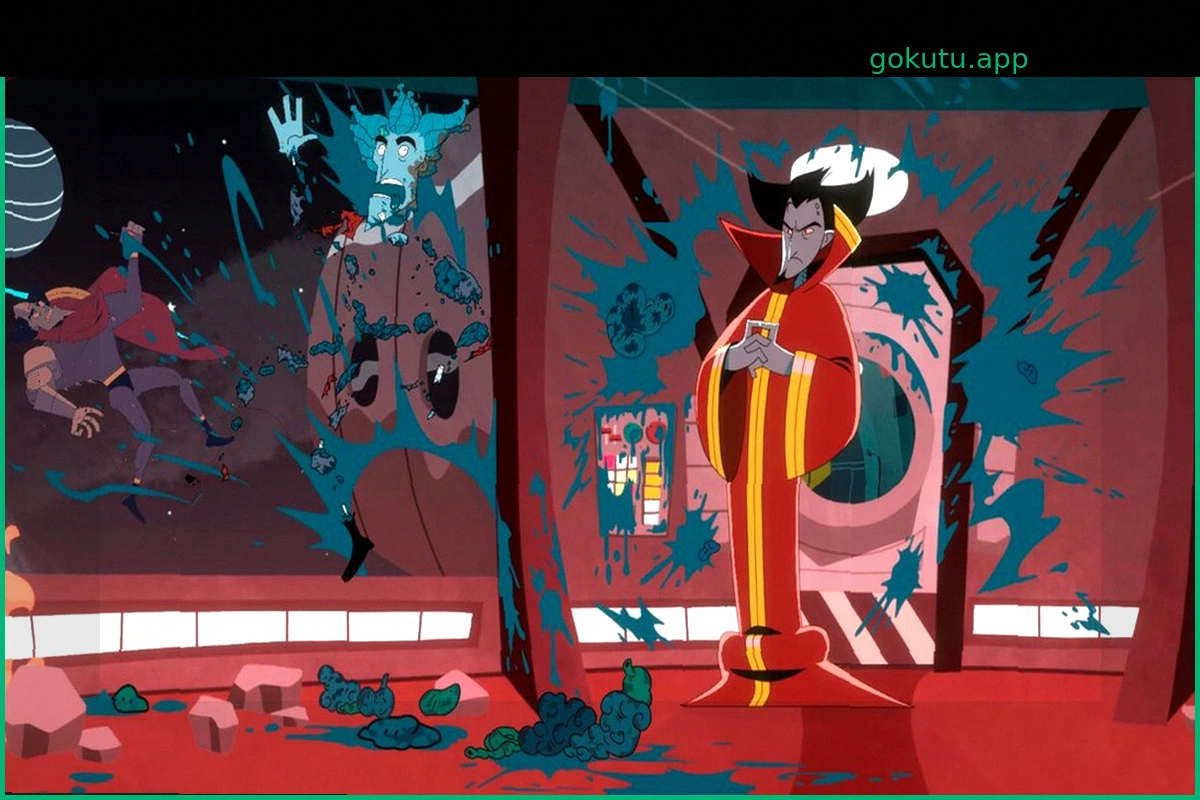
Earth Must Die llega a consolas expandiendo el universo de Vvalak Lizardtongue
El universo de Vvalak Lizardtongue, el peculiar antihéroe de Earth Must Die, se expande con el reciente lanzamiento del juego en consolas. Publicado a principios de año por No More Robots, este título de aventura point and click nos presenta a Vvalak, el tercer hijo de una autoridad extraterre
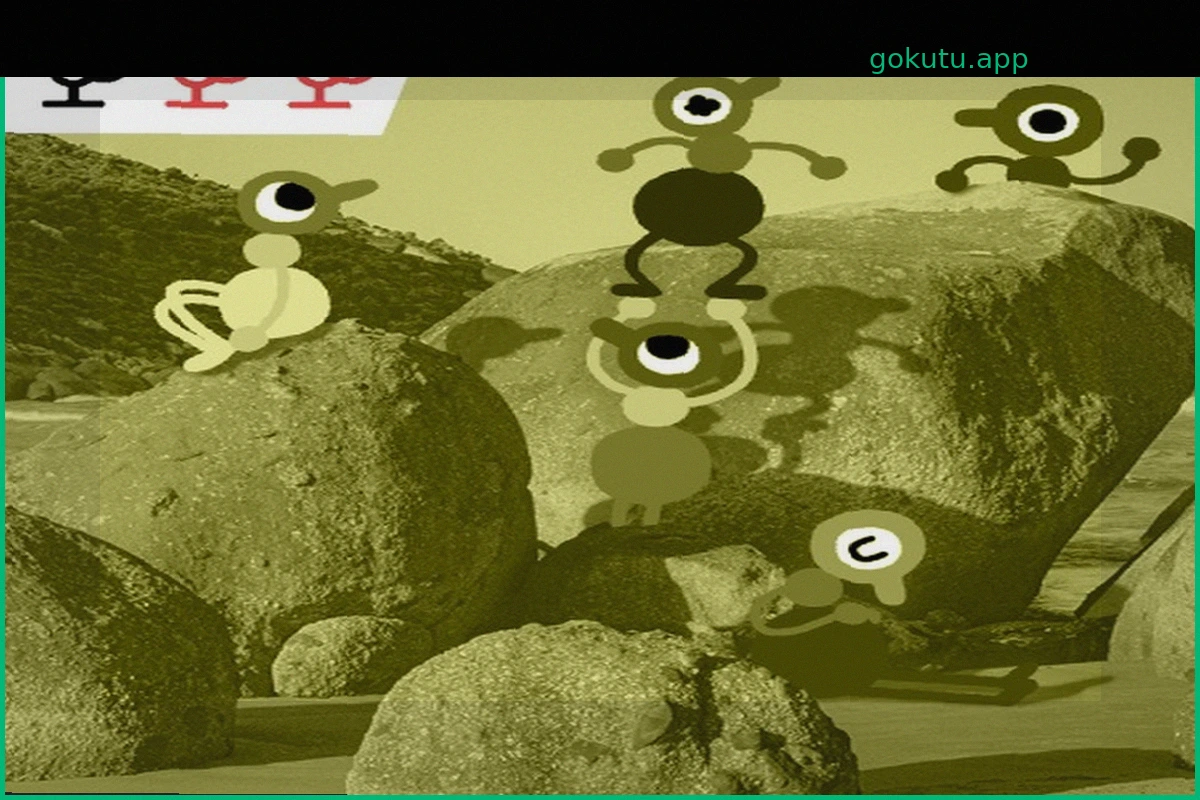
Big Walk Supera el Millón de Copias Vendidas en Seis Días
El esperado título cooperativo Big Walk, desarrollado por House House y publicado por Panic, ha alcanzado un impresionante hito de ventas. En sus primeros seis días tras el lanzamiento, el juego ha vendido más de un millón de copias. Este éxito se produce a pesar de que una parte
Switch 2 Sales Exceed 23 Million Units
Nintendo has released its financial report for the first quarter of its fiscal year (April to June 2026). While console sales have seen a decrease of 34.4% compared to the same period last year, the Switch 2 has still managed to sell 3.82 million units in this quarter, bringing its total sales
Xbox Faces Financial Losses Despite Reaching Over 200 Million New Players
Microsoft's fiscal year 2026 results, ending June 30th, reveal that Xbox has experienced a downturn. Both hardware and software sales saw a decrease of 5% and 29% respectively compared to the previous year. This marks the fourth consecutive quarter of decline for Xbox, a trend not seen since 2
Garden Ink: Cozy and Adorable Coloring Game Releases September 10 on PC
Get ready to color your world! The delightful and cozy game Garden Ink is set to be released on Steam on September 10th. This charming title invites players to bring a lively forest to life by adding color to its various elements. Garden Ink offers a relaxed exploration experience. As you