United CEO Scott Kirby's Ambitious Vision for the Airline's Future
Scott Kirby, CEO of United Airlines, is looking beyond immediate competition and focusing on the long-term strategic growth of his airline. Despite a past departure from American Airlines, Kirby emphasizes aggressive competition rather than personal vendettas. Under his leadership, United has become the second most profitable U.S. airline, surpassing its former employer, American Airlines, which is now a distant third among major carriers.
Kirby has previously explored significant merger opportunities with both Delta and American Airlines, but these overtures have been met with skepticism and rejection. He is currently navigating an industry characterized by rising costs, infrastructure limitations, and a growing demand for premium travel experiences.
Expanding Reach: From Newark to JFK and Beyond
Kirby aims to significantly increase United's presence at New York's John F. Kennedy International Airport (JFK). Following a partnership with JetBlue Airways, United is set to re-establish its operations at JFK as early as next year. This expansion could involve acquiring available slots from carriers with less profitable routes. In addition to strengthening its domestic network, Kirby intends to further bolster United's leading position in international flights, a key driver for customer loyalty and credit card program sign-ups. The airline plans to announce a series of new international routes, continuing its tradition of expanding its global footprint.
Kirby, known for his outspoken nature in the industry, manages his communication strategy carefully, with his team often withholding route announcements to prevent premature leaks. While Delta Air Lines, led by CEO Ed Bastian, remains a formidable competitor, it is also strategically expanding its operations, particularly over the Pacific, a region where United has historically held a strong advantage.
A Decade of Transformation at United
Kirby's tenure at United began in August 2016, just moments after his departure from American Airlines, where he served as president. He humorously notes the minimal gap between his roles, stating he took "60 seconds" between jobs. He was promoted to CEO in May 2020, amidst the unprecedented challenges of the COVID-19 pandemic. His early priorities at United included a thorough review of unprofitable routes and strategic decisions about base operations, such as maintaining the Los Angeles and Washington Dulles hubs.
Kirby also engaged with former President Donald Trump to discuss a substantial revamp of Washington Dulles International Airport. His executive experience, honed over decades in the airline industry and at carriers like America West, provides a deep understanding of the competitive landscape shaped by industry consolidation.
The Future: AI, Mergers, and Strategic Growth
Despite Kirby's interest in large-scale mergers, stock analysts and legal experts remain highly skeptical of such combinations due to antitrust concerns. Both Delta and American Airlines have publicly rejected United's merger proposals. Kirby maintains his focus on strategic growth rather than acquiring smaller airlines like JetBlue. He believes that the objections to mergers are often based on an outdated view of the airline industry as a commodity, arguing that carriers like Delta and United have successfully differentiated their offerings.
Kirby envisions significant advancements in travel through the adoption of artificial intelligence, aiming to enhance operational reliability and customer experience. He is committed to clear communication regarding flight delays and strives to eliminate excuses for service disruptions. While United faces competition in on-time performance from carriers like Delta and the recently merged Alaska and Hawaiian Airlines, Kirby remains focused on the long-term stability and future of the company, prioritizing the well-being of its employees and aiming to prevent future furloughs.
Looking ahead, Kirby expresses a desire for a graceful transition when the time comes for him to retire, ensuring the continued success of United Airlines.
Fresh materials — MMA news

UK Power Plant Disrupted by Iran-Linked Cyberattack, Report Claims
A minor power generation facility in the United Kingdom experienced a four-day operational shutdown in July following a cyberattack. The incident has been linked by The Telegraph newspaper to hackers with alleged connections to Iran. This event occurred con

Paramount and California AG's Office Reportedly Meeting to Discuss WBD Lawsuit Settlement
Paramount and the California Attorney General's office are reportedly scheduled to meet on Monday to discuss a potential resolution to the antitrust lawsuit aimed at preventing Paramount's acquisition of Warner Bros. Discovery. This meeting comes amid increasing pressure from various e
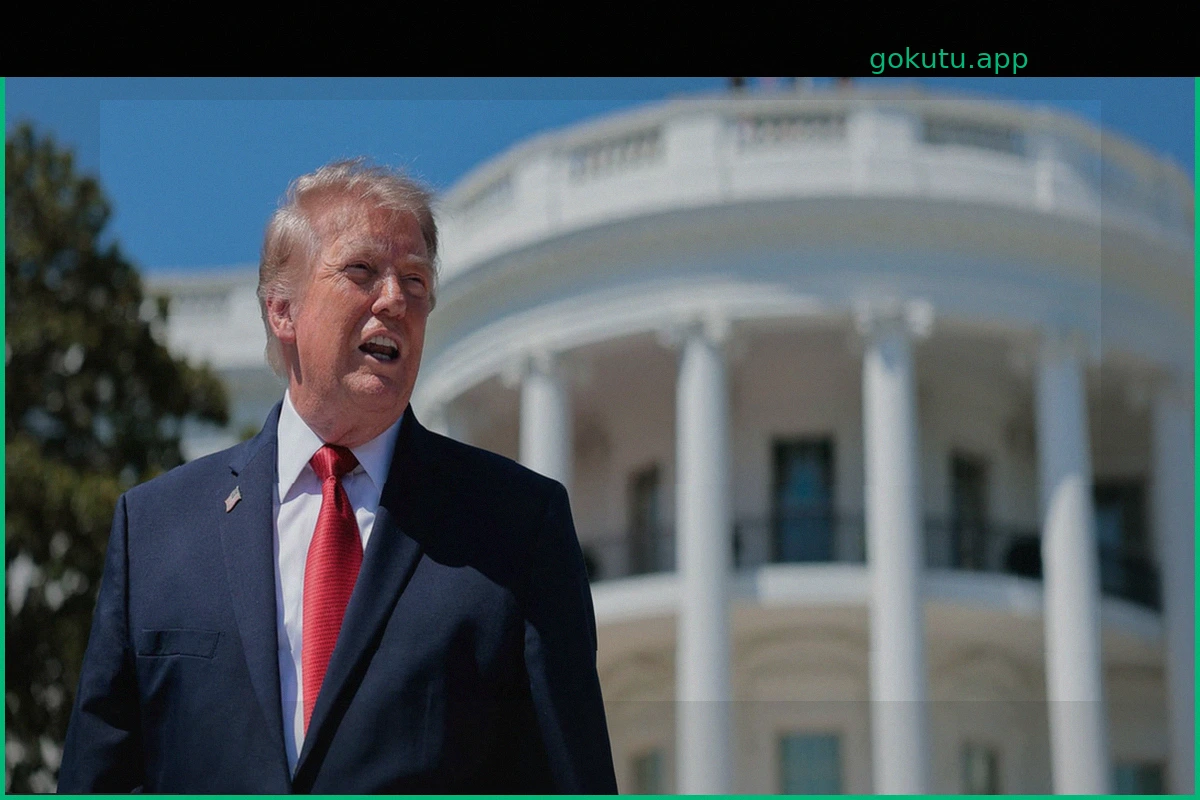
Trump's June Portfolio: Swaps Meta for Berkshire Hathaway, Diversifies Holdings
President Donald Trump executed a substantial overhaul of his investment portfolio in June, engaging in over a thousand transactions involving stocks, bonds, and exchange-traded funds. The total value of these reported dealings ranged from $78.1 million to $263.1 million, as detailed
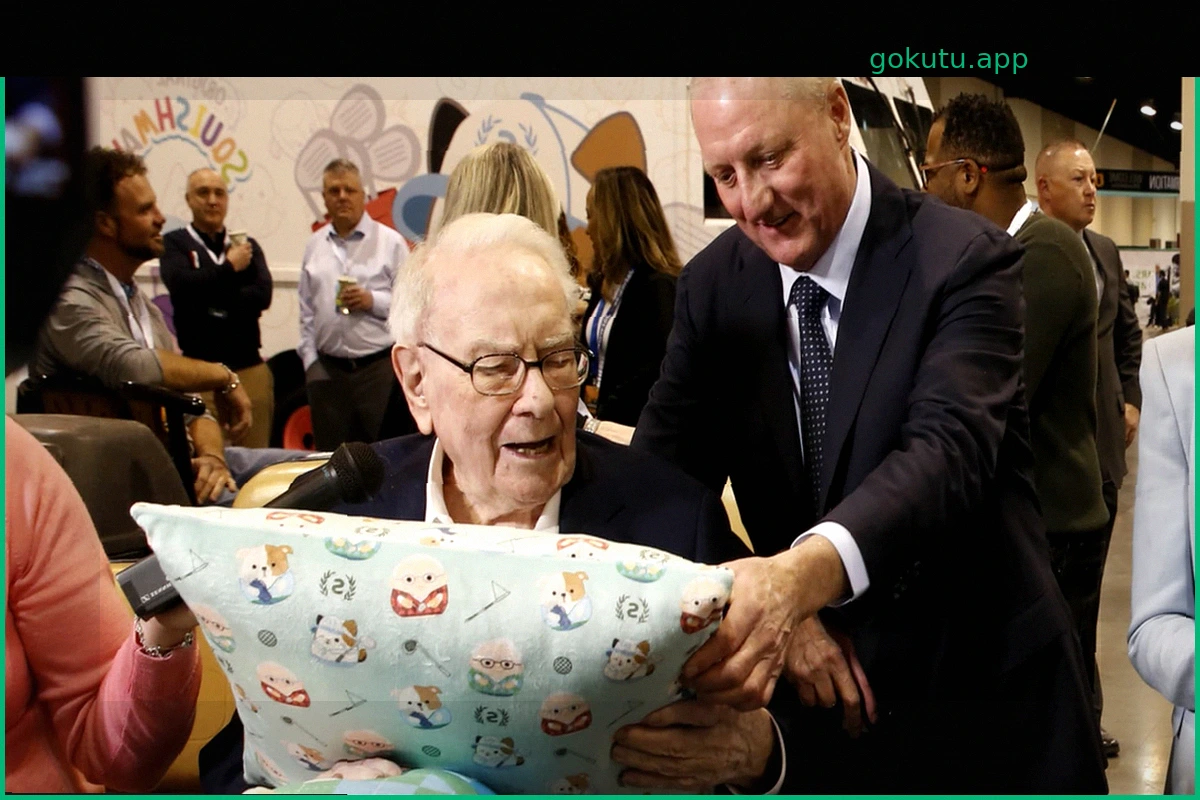
Warren Buffett Still Leading Berkshire's Stock Decisions, Not Greg Abel
Contrary to potential assumptions about succession, Warren Buffett appears to be the driving force behind Berkshire Hathaway's significant stock investments, rather than his designated successor, Greg Abel. While Buffett emphasizes collaboration with Abel, evidence suggests Buffett initiated k
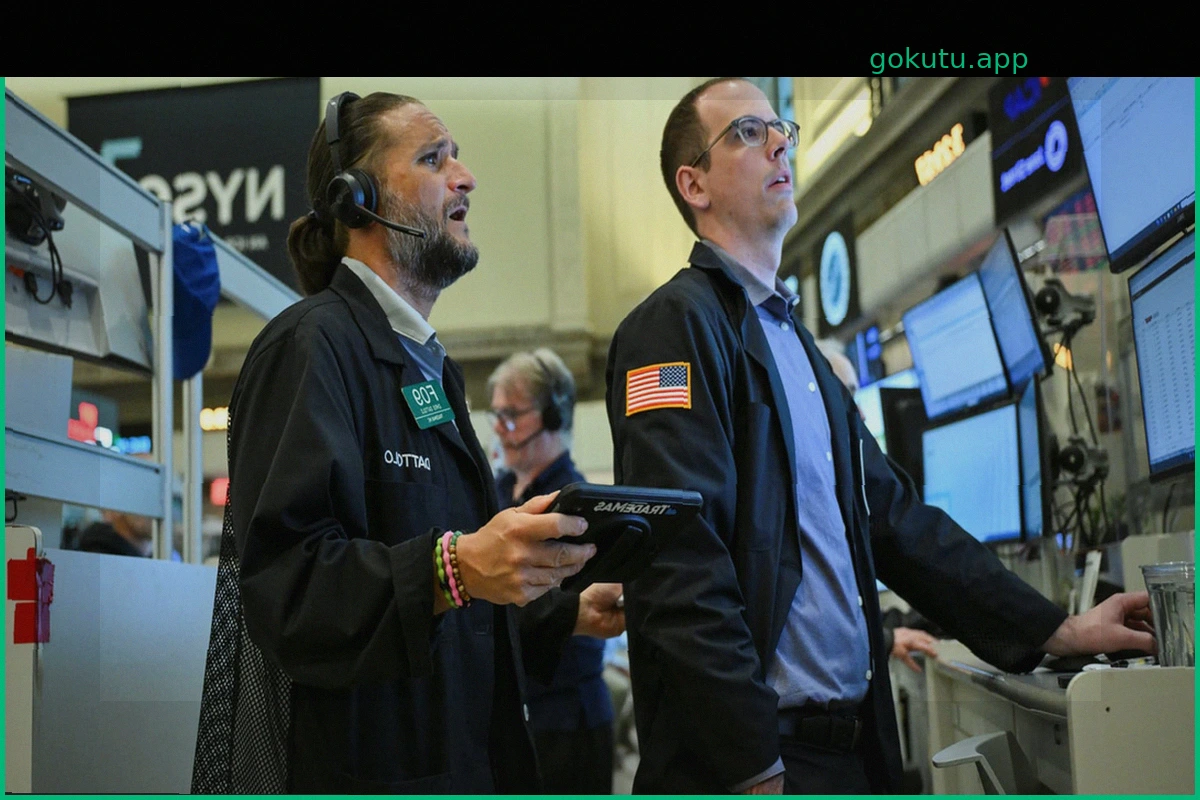
Six Investors Reveal the Biggest Market Risks — and One Strategy They Agree On
In a year marked by market volatility, six investors shared their perspectives on the most significant risks and how they're navigating portfolios. Despite diverse opinions on the primary threat, a clear consensus emerged: diversify beyond this year's top performers. Fading U.S. Exception
GOP Senator Husted Defends Energy Policy Amid Data Center Backlash
Senator Jon Husted of Ohio has publicly defended President Donald Trump's energy and economic policies. This comes as some Republicans express concern that a growing backlash against data centers could put Husted's Senate seat at risk. Husted's remarks were made during a visit