Six Investors Reveal the Biggest Market Risks — and One Strategy They Agree On
In a year marked by market volatility, six investors shared their perspectives on the most significant risks and how they're navigating portfolios. Despite diverse opinions on the primary threat, a clear consensus emerged: diversify beyond this year's top performers.
Fading U.S. Exceptionalism
Chris Rush of IBOSS highlighted the risk of over-concentration in past winners, urging investors to look beyond short-term noise and the shrinking dominance of U.S. equities. He noted that U.S. exceptionalism has waned and that the debt levels of major tech companies add to the risk of chasing the same stocks. Rush suggested real estate investment trusts (REITs), U.K. equities, and stocks in Asia and emerging markets as ways to broaden portfolios, noting China's strong recent performance.
'Don't Die Trying to Be a Hero'
Ben Kumar of 7IM emphasized managing specific volatility rather than overall market swings. He pointed out that while overall gains might outweigh losses, being overexposed to any single theme, sector, or style has been challenging, as market leaders have fluctuated. Kumar advocates for broad diversification across sectors and regions, advising investors to avoid heroics and let the market work for them.
Complacency Warning
Ben Seager-Scott of Forvis Mazars warned of market complacency regarding geopolitical events, inflation, and shifts in the AI trade. He noted the opposing forces of the Iran war and strong U.S. corporate earnings. His team has reduced equity risk and rotated from mega-cap tech stocks to more broadly diversified U.S. equities, shifting from market-cap-weighted to equal-weight exposures.
'Uncomfortable Trade-off'
Charlie Ambler of Saltus identified a policy bind around interest rates as the primary risk. He explained that central banks face a difficult choice between controlling inflation and maintaining financial stability, especially as the economy absorbs significant, capital-intensive AI infrastructure spending. Ambler's team is broadening exposures across equities, fixed income, and alternatives, focusing on assets with uncorrelated returns.
Steve Brice of Standard Chartered pointed to disruptions to the AI boom as a cyclical risk and fiscal policy/inflation outlook as structural risks. He advised against a "barbell approach" of heavily investing in growth while holding excessive cash, instead advocating for diversification into areas like developed market financials and euro area industrials, buffered by bonds, gold, and other alternatives.
Why AI Spending Could Force the Next Rotation
Billy Leung of Global X ETFs highlighted two parallel risk debates: the unresolved Strait of Hormuz situation impacting oil prices, and the durability of AI capital expenditure. He noted that the massive financing committed to AI infrastructure raises concerns about financing structures and weak free cash flow conversion. Leung observed that investors appear under-hedged, with implied volatility near lows. He believes AI capital spending durability, rather than macroeconomic data, is the most likely trigger for a significant market rotation, shifting focus from pure infrastructure plays to companies with nearer-term monetization.
Fresh materials — MMA news

Crypto Gaming Terms: RTP, Provably Fair, House Edge Explained
Navigating a crypto casino's game lobby often means facing a barrage of unfamiliar abbreviations and terms. These can be used casually but have distinct meanings. Understanding each term helps you read game statistics accurately instead of just glancing over them. RTP: Your Long-Run Payou
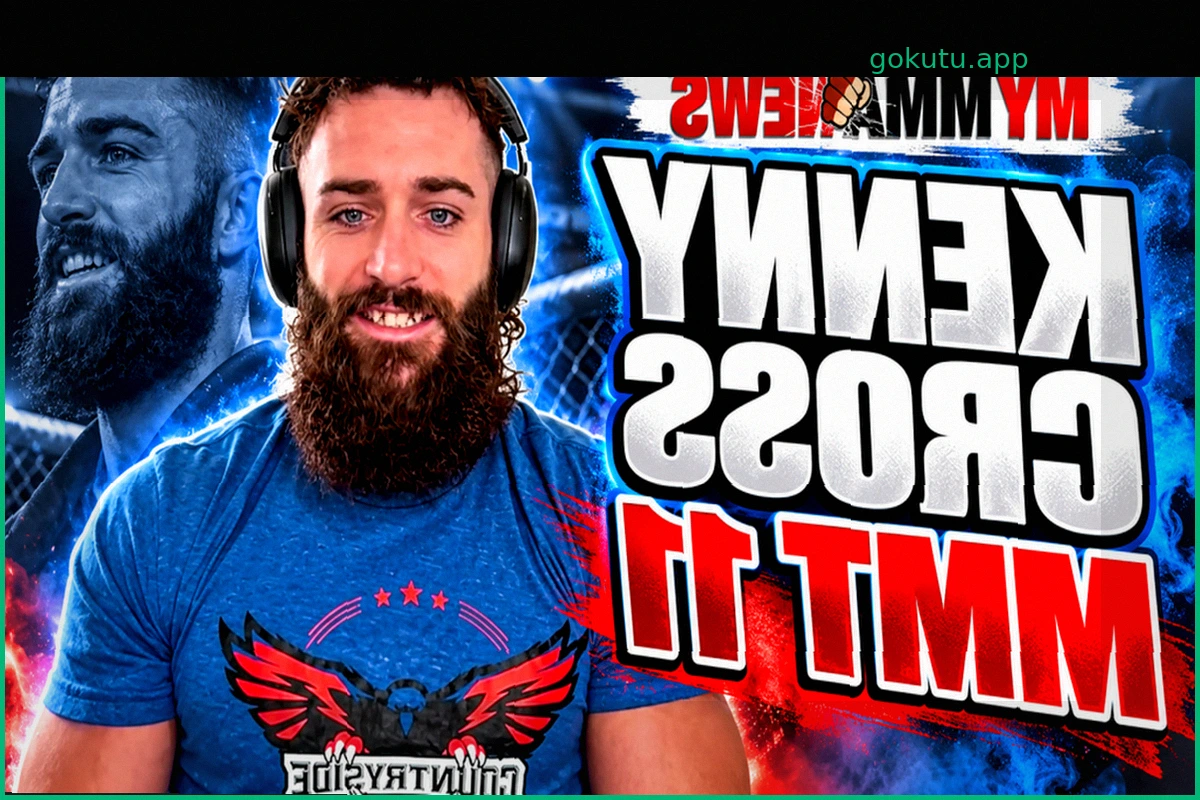
Kenny Cross Aims for Statement in Muay Thai Debut on November 7
Kenny Cross shares his thoughts on his upcoming Muay Thai bout against James Barney at MMT 11 on November 7. Cross also addresses his defeat by Salahdine Parnasse and the PFL-MVP merger, detailing his predictions for the fight. “He’ll either be knocked out in the first round, or we’ll pus

UFC 334: Gane vs. Hokit Headlines Madison Square Garden Return
UFC is back at Madison Square Garden in New York City, headlined by a championship doubleheader. In the main event, undisputed UFC heavyweight champion Ciryl Gane makes his first title defense against No. 4 ranked contender Josh Hokit. The co-main event features a highly anticipated women's ban

Influencer Fights Terminator-Style Robot in MMA Match
American influencer Frankie LaPenna entered the MMA cage on September 18 to face a six-foot-tall robot. The event was organized by the robot's creator, REK (Robot Entertainment Kombat). LaPenna is known for his viral TikTok and YouTube videos featuring green screen stunts, often depicting

Electric Dirt Bikes Revolutionize Off-Road Riding
Electric bikes are no longer just alternatives to traditional bicycles. This technology now reshapes daily commutes and recreational trail riding. Electric dirt bikes stand out as a thrilling development in the two-wheel industry. They merge powerful motors, rechargeable batteries, modern susp
Solomon Renfro arrested for alleged assault in New York
Mixed martial artist Solomon Renfro, based in New York, was arrested Sunday. Police responded to a 911 call early Sunday morning in Chinatown, Manhattan, finding a 22-year-old woman with scratches and bruises. Renfro, 29, nicknamed "The Black Dragon," was taken in for questioning. He was subse