Analysis: Rayo Vallecano vs AEK Athens – Profiling the Greek Super League Leaders
The upcoming quarter-final match on Thursday, pitting Rayo Vallecano against Greek club AEK Athens, might appear at first glance to be a standard European knockout fixture. With contrasting club colours, divergent European track records, and their current positions at opposite ends of their domestic leagues, the surface narrative suggests a simple contest. However, a deeper look reveals a more intricate story.
Both clubs share a foundational year, 1924, and have since grown into powerful symbols of pride for their closely-knit, working-class communities. The regions where these teams originated were profoundly influenced by migratory movements. Vallecas served as a new home for numerous Spanish workers migrating from rural areas, while Nea Filadelfeia provided sanctuary for Greeks escaping the 'Asia Minor Catastrophe'. Their club crests further highlight these historical ties: Rayo’s emblem features the Vallecas coat of arms, signifying the municipality's historical autonomy from Madrid, whereas AEK proudly displays the double-headed eagle, an iconic symbol of the Byzantine Empire.
These shared identities are passionately embodied by the ultra groups: Rayo’s 'Bukaneros' and AEK’s 'Original 21'. Both groups are deeply rooted in left-wing ideology, often vocalizing anti-fascist and pro-Palestinian stances, and serve as the vibrant core of their respective fanbases. Their unwavering loyalty has been a constant, supporting their teams through the challenges of the third division and the triumphs of European knockout competitions.
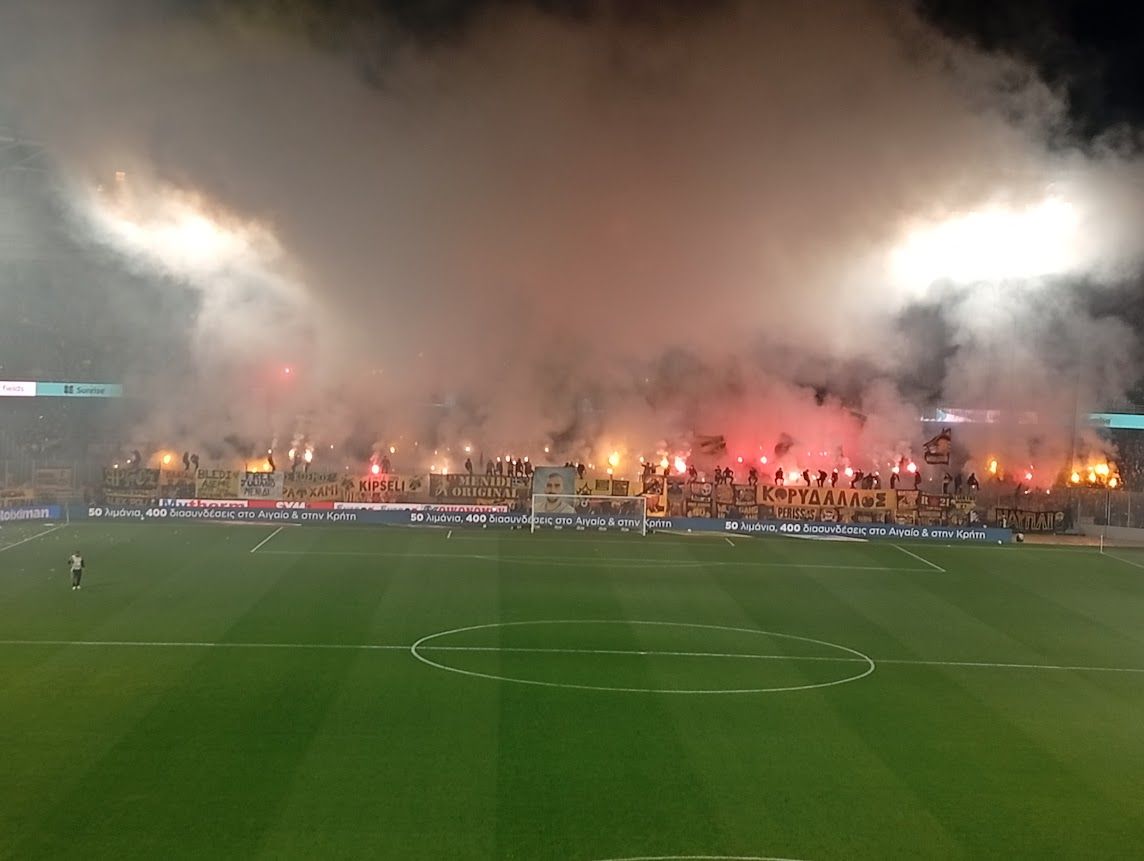
However, the similarities between the two clubs diverge significantly at this point. Rayo Vallecano has faced relegation four times in the current century alone, a stark contrast to AEK, who have experienced relegation only once throughout their existence. Following their relegation in 2013, AEK made the strategic decision to voluntarily drop to the third tier to clear their accumulated debt. Since their return to the top flight in 2015, AEK has secured two league titles and participated in the main phases of all three European competitions on five separate occasions.
AEK's Tactical Identity
This season was envisioned as a fresh start following the tumultuous final season under Matias Almeyda, who was recently dismissed as Sevilla manager. The Argentine coach had achieved a domestic double in his inaugural season by implementing an aggressive, high-tempo playing style designed to press opponents deep in their own territory. Despite his initial success, Almeyda's final season was disastrous, culminating in an early exit from the Conference League qualifiers against Armenian side Noah and a complete loss in all six Championship play-off matches.
During the summer, Serbian coach Marko Nikolic assumed control, tasked with revitalizing player confidence and reconstructing the team. He adeptly guided the club through all three rounds of Conference League qualifying, positioning them in first place as they head into the Championship play-offs. In the Conference League group stage, AEK secured a third-place finish, two spots ahead of Rayo, which provides them with the crucial home advantage for the return leg.

AEK also benefits from a scheduling advantage: there is no domestic league fixture positioned between their two matches against Rayo, thanks to Orthodox Easter Sunday. In their European away encounters, the Greek side has demonstrated strong form, securing notable wins against Samsunspor and Fiorentina, along with a commanding 4-0 triumph over Celje in Slovenia during the round of 16.
Nikolic’s tactical approach involves a dynamic 4-2-2-2 formation when in possession, designed to generate numerical advantages in the half-spaces and disorient opponents through continuous positional interchanging. The team is further bolstered by fast wingers whose individual dribbling skills can decisively alter match outcomes, injecting an additional attacking threat. Among the squad, the most recognizable player is former Real Madrid forward Luka Jovic, who has been showcasing outstanding form.
Jovic's current league goal count is just one short of his personal best of 17 goals, and he has forged an impressive striking partnership with January recruit Barnabas Varga. Jovic typically prefers to collect the ball between defensive lines, driving play forward or linking up with midfielders. Varga, conversely, excels at converting crosses into the box and capitalizing on set-piece opportunities, having contributed six goals and two assists.
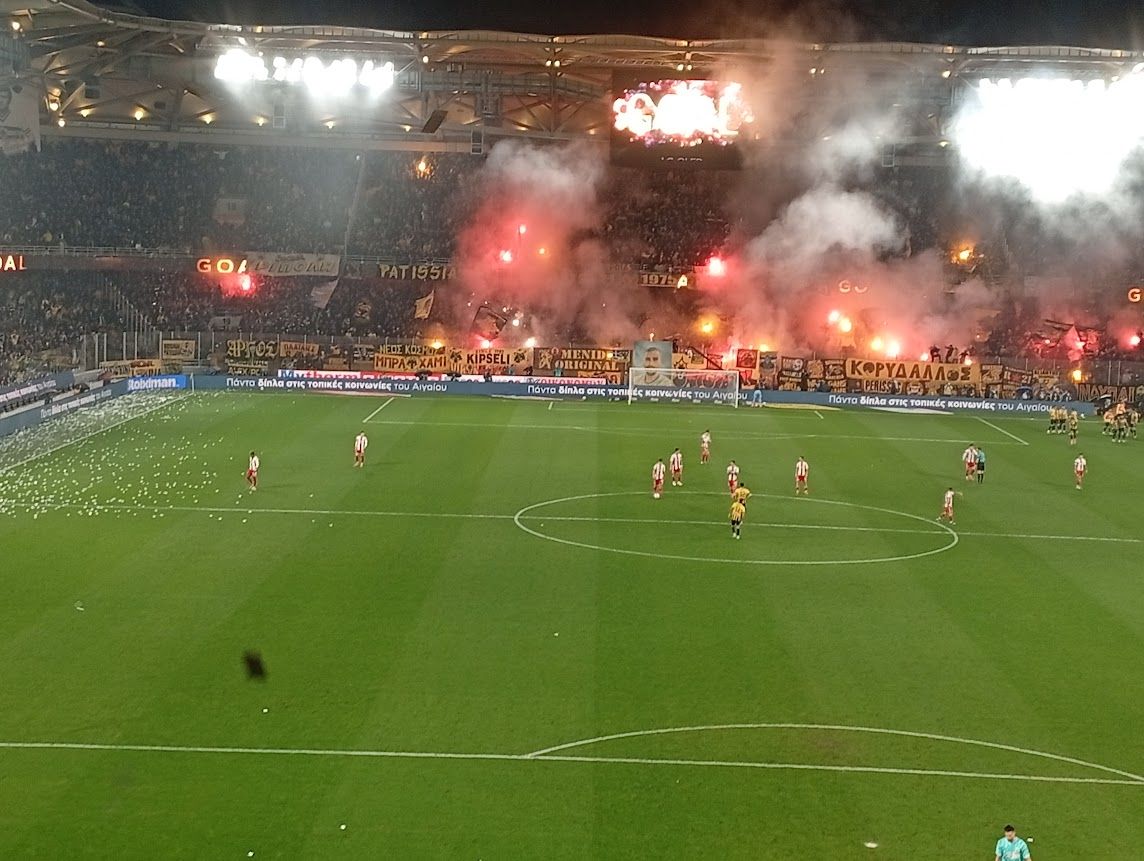
Defensively, AEK initially utilized a passive 4-4-2 mid-block, staying deep in their own half, but Nikolic soon implemented adjustments. A prime example was their victory against Fiorentina, where AEK effectively switched to a 4-2-4 man-to-man pressing scheme during the match to force turnovers. Players also began to adopt higher pressing positions, as demonstrated in an away game against title rivals PAOK, while still proving capable of rapidly retreating into a compact defensive formation during transitions.
AEK performs optimally when they can dictate the pace of the game and engineer transitions using quick, intricate combinations in central areas. The 'controlled chaos' approach favored under Almeyda no longer suits them, as evidenced in their 3-2 victory over Universitatea Craiova.
The Romanian opponents adopted a high defensive line and employed a rapid, vertical style of play, mirroring Rayo's strategy of launching counter-attacks with swift forward passes. The significant space behind Craiova's defense enticed AEK into attempting quick vertical passes rather than meticulously constructing their attacking phases. This approach left the Greek side unable to effectively counterpress, making them highly susceptible to rapid transitions, which led to them trailing 2-0 by the 70th minute.
This particular match also underscored a significant vulnerability within the current squad: the lack of a dedicated defensive midfielder. Orbelin Pineda, formerly of Celta Vigo, has revitalized his role as a deep-lying playmaker, adept at dissecting opposition lines with his passing and dribbling. While crucial, this function inherently carries risks, often presenting opponents with opportunities to win the ball back high up the pitch. Furthermore, AEK's full-backs have recently shown a propensity to concede possession when under pressure, a weakness that Iñigo Pérez, Rayo's coach, could potentially exploit.
AEK remains a team in development, with the comprehensive vision of coach Nikolic and sporting director Javier Ribalta still unfolding. Ribalta himself noted that the squad would require until next summer to fully mature and rectify all existing deficiencies. In contrast, Rayo operates as a highly organized unit under Pérez, exhibiting a distinct tactical approach on the field. Their well-known Achilles' heel has been the absence of a prolific striker capable of consistently converting the numerous crosses delivered into the box by his teammates. However, should Rayo succeed in overwhelming AEK at their home ground and dictating a relentless tempo, the aforementioned advantages held by the Greek side could be negated.
This upcoming fixture promises to be a compelling encounter, presenting a unique opportunity for both teams. Rayo is embarking on only its second-ever European campaign, while AEK harbors ambitions of reaching their first European semi-final since 1977.
Fresh materials — Football news
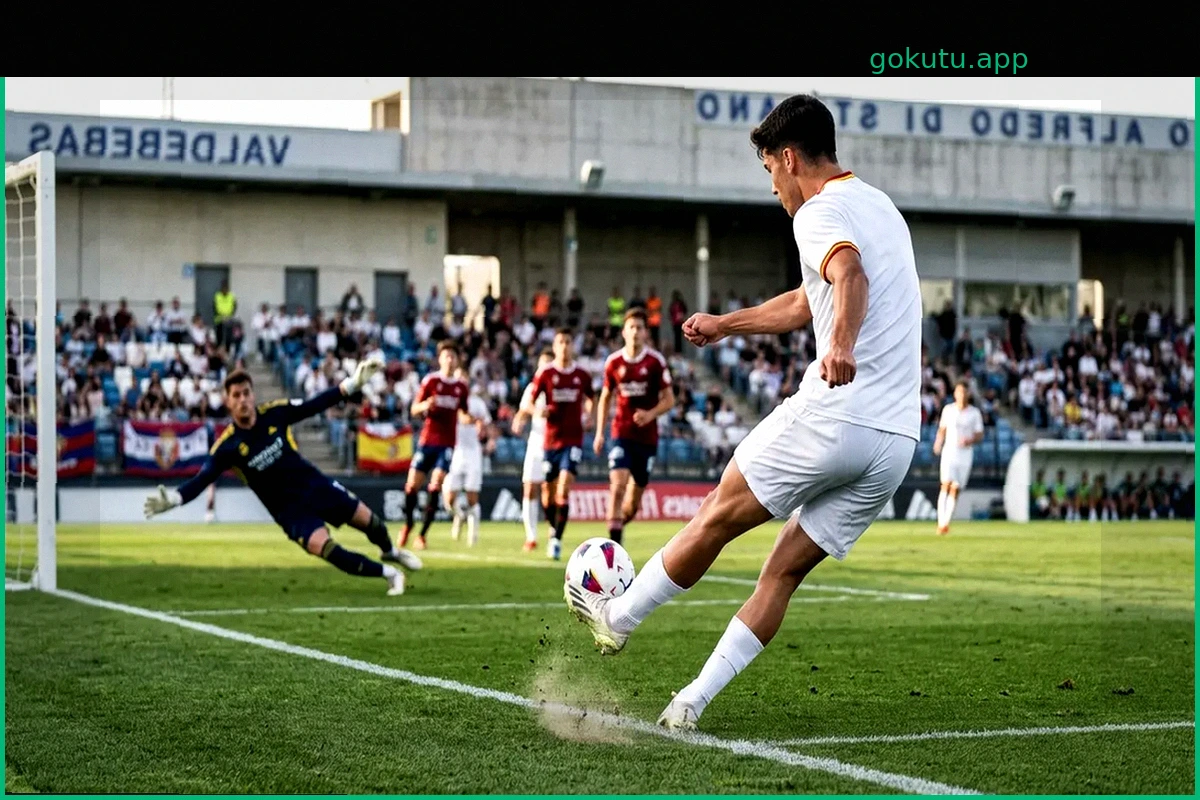
Yáñez Secures Dramatic 3-2 Victory for Real Madrid Castilla in Madrid Derby
Real Madrid Castilla secured a narrow 3-2 win against Atlético Madrileño in a high-stakes reserve-team derby at the Alfredo Di Stéfano. Yáñez netted the decisive goal in the 71st minute, sealing victory after a contest featuring five goals and two penalties. Castilla edge Atlético Madrile
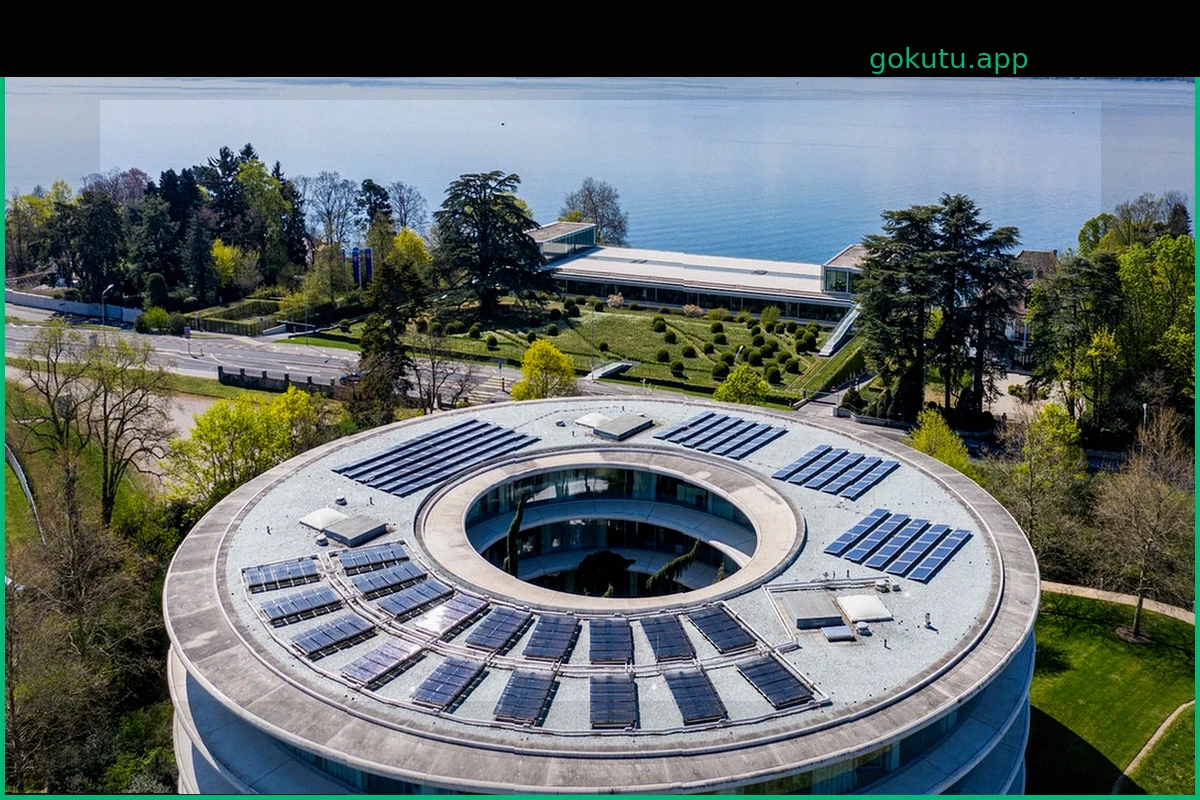
Barcelona Faces UEFA Scrutiny Over Negreira Case Documents from Real Madrid
UEFA is investigating Barcelona following Real Madrid's submission of significant documents related to the Negreira case. The governing body has confirmed that its Ethics and Disciplinary Inspectors will evaluate the material as part of an ongoing review. This announcement does not establish an
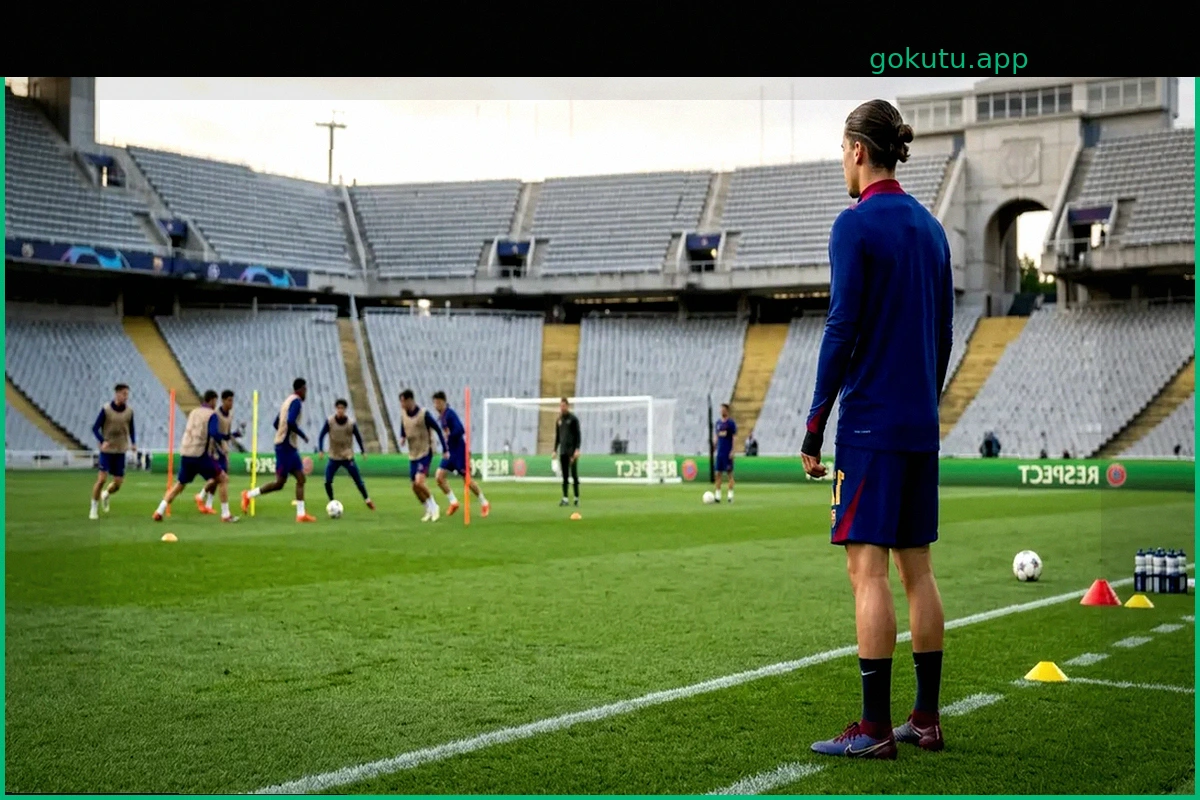
Barcelona's Left-Back Depth Pushes Alejandro Balde Down the Order
Alejandro Balde has not yet featured for Barcelona this season, as reported by Barca Blaugranes. Manager Hansi Flick addressed the left-back's situation in a recent press conference, citing increased competition and the unexpected rise of Xavi Espart as key factors. Flick acknowledged that Balde's
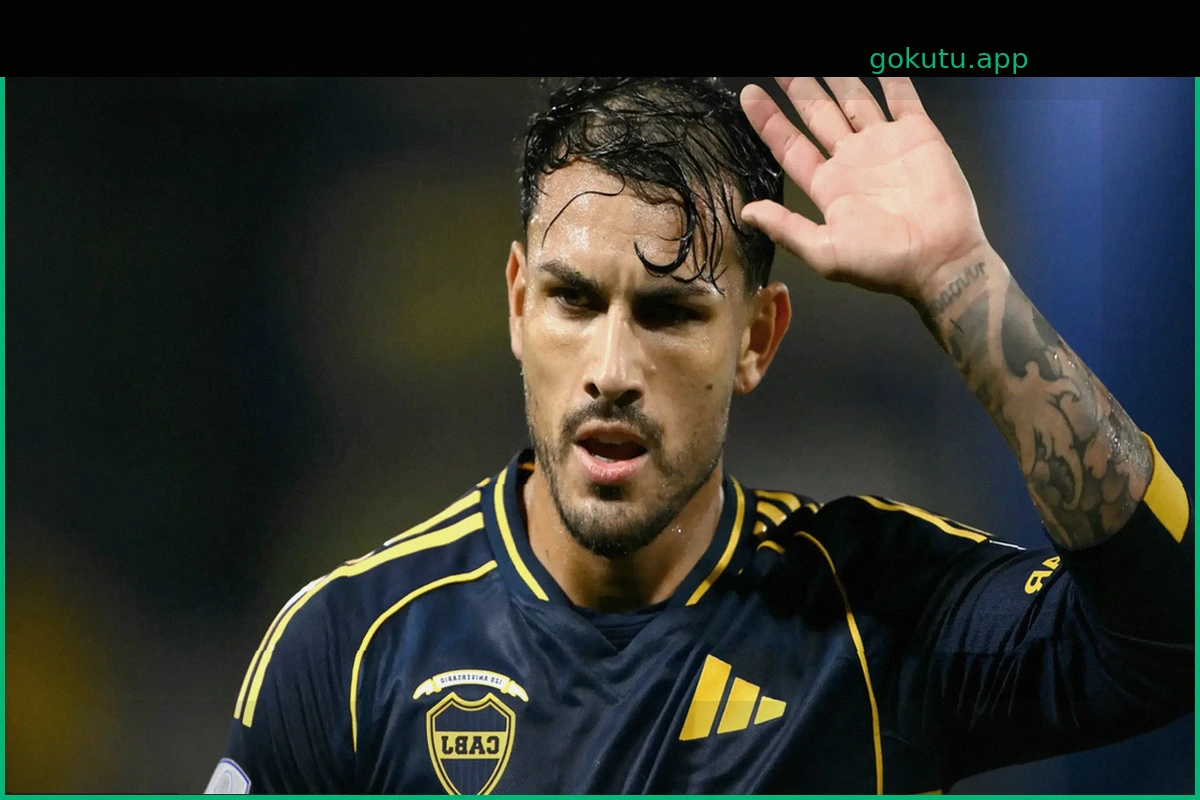
Leandro Paredes Rejects AC Milan, Stays with Boca Juniors
Leandro Paredes has reportedly declined an offer from AC Milan, choosing to stay at Boca Juniors. AC Milan had reportedly reached out to the midfielder directly, expressing their interest and proposing a fee to bring him back to Serie A. However, Paredes expressed his contentment at Boca
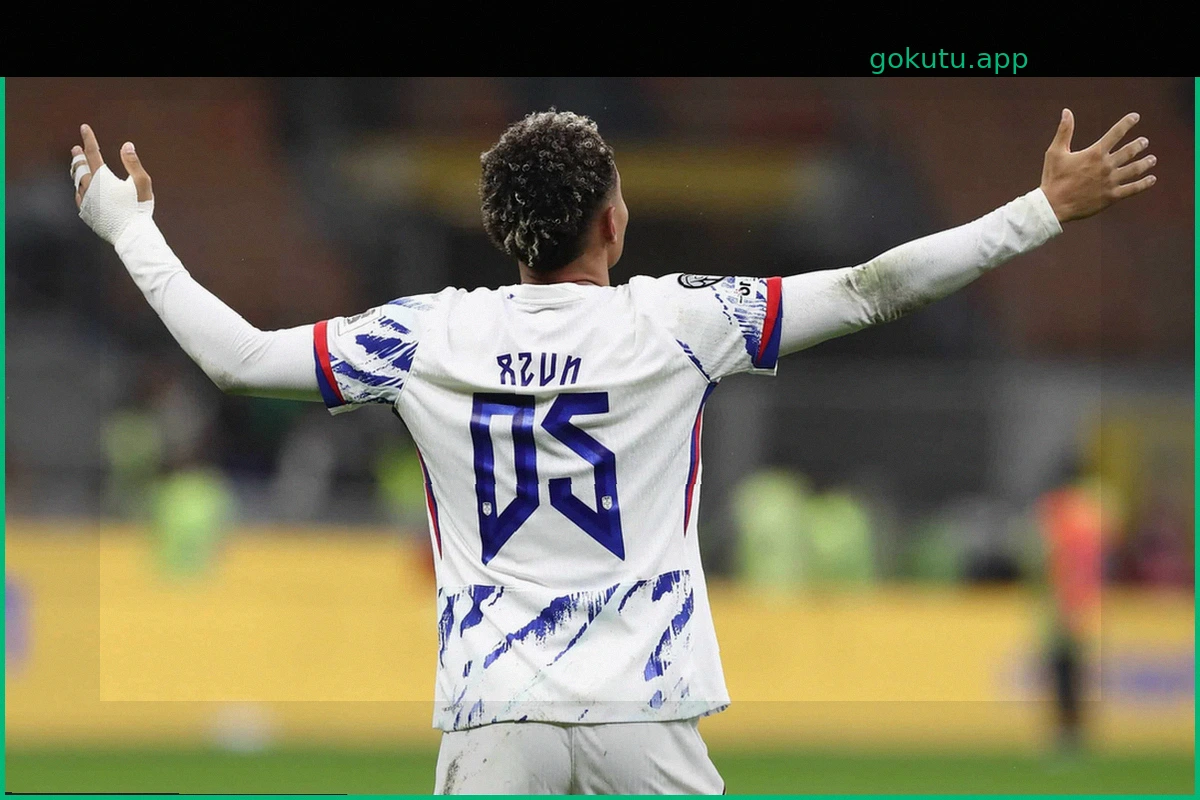
Roma Sets Final Deadline for Nusa Transfer, Fofana Identified as Prime Alternative
Roma is nearing a decision on their pursuit of RB Leipzig's Antonio Nusa for the left wing. The Italian club has established a final timeframe to finalize the transfer, with discussions over the past three weeks yielding mixed signals from Leipzig. Should negotiations for Nusa fail to reac
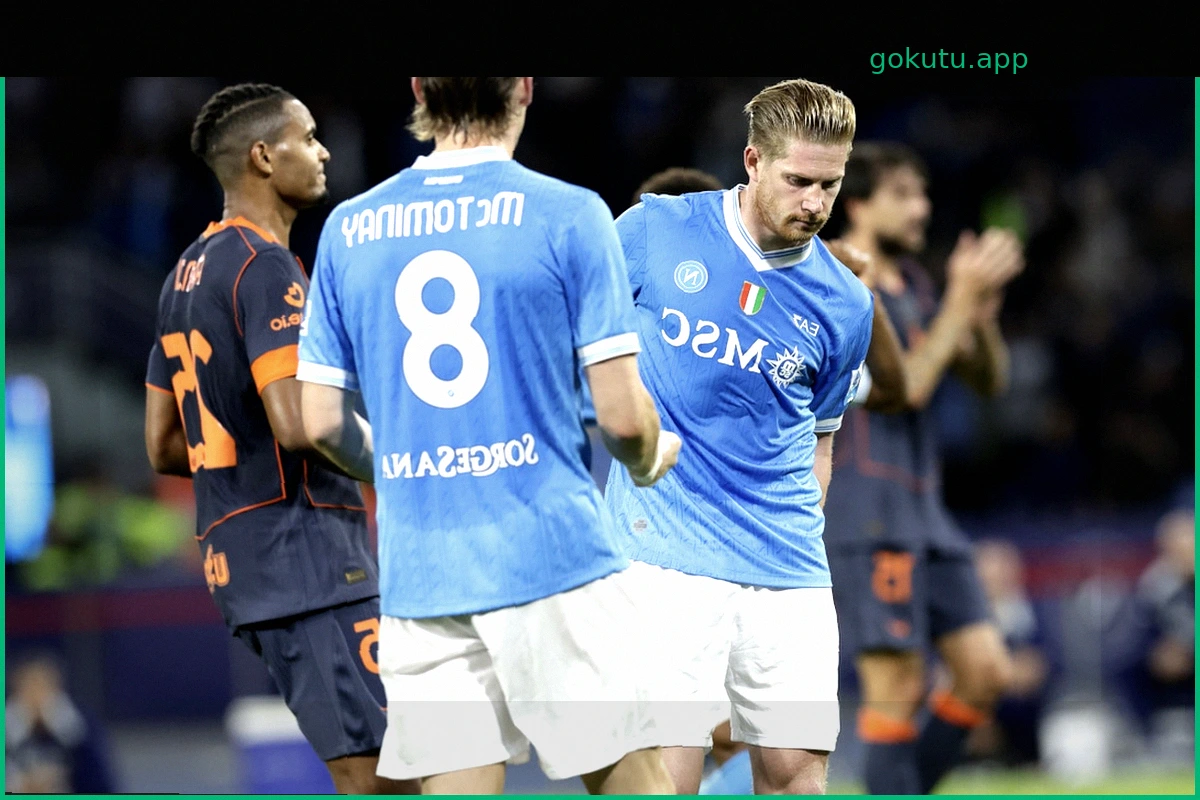
Kevin De Bruyne and Napoli Reportedly Set for Split After One Season
Kevin De Bruyne and Napoli are reportedly on the verge of a separation after only a single season together. Intermediaries have been engaged to help the midfielder secure a new club, with potential destinations in Turkey or Saudi Arabia being explored. According to L’Equipe, Galatasaray h