The National Hockey League`s recent shift to a decentralized draft format, a change that drew considerable attention during its 2025 debut, appears set to continue. Following discussions and evaluation after the initial trial run, NHL teams have formally voted in favor of retaining this structure for the 2026 NHL Entry Draft.
Sources close to the league`s decision-making process indicate that the vote saw significant support for the new model, with approximately two-thirds of the league`s member clubs endorsing its continuation. This confirmation signals the league`s intent to move forward with a format that diverges from its long-standing tradition of gathering all personnel, prospects, and media in a single arena.
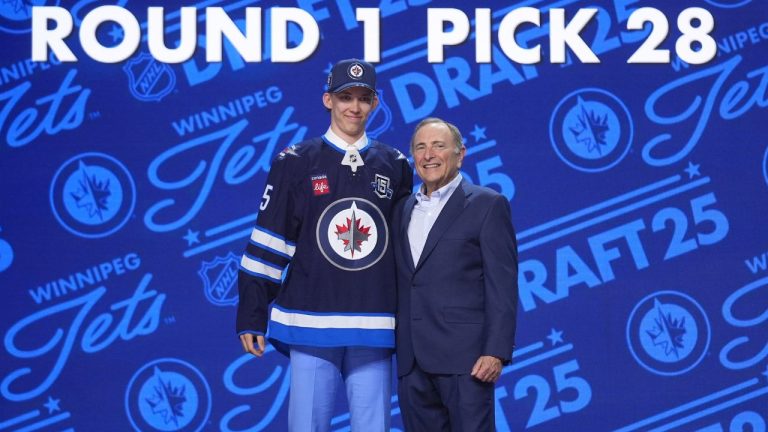
The 2025 decentralized draft represented a notable departure. While top prospects were hosted in a central location, such as Los Angeles for the primary television broadcast, team executives and scouting staffs remained situated in their respective home markets. Draft selections were communicated and celebrated via video links displayed on screens, connecting players virtually with the teams that chose them.
The inaugural execution of this format was met with mixed reactions. Observers noted that the first round of the 2025 draft extended beyond four hours, prompting discussions about the event`s pacing. From a broadcast perspective, some viewers described the presentation as feeling somewhat disconnected. The visual of newly drafted players interacting with team management remotely, occasionally contending with technical delays or unstable connections, presented a different viewing experience compared to the traditional on-stage handshake and jersey presentation.
Despite these initial perceived drawbacks and the label of being “much-maligned” by some commentators, league leadership remains optimistic about the format`s potential and the ability to refine its presentation. Deputy Commissioner Bill Daly reportedly expressed confidence that many of the production-related challenges encountered in 2025 are amenable to relatively straightforward technical and planning adjustments, suggesting that measures to condense the timeline and improve the broadcast flow are achievable.
Adopting a decentralized draft aligns the NHL with the practices of other major professional sports leagues in North America, including the NBA and NFL, which have conducted their drafts using this dispersed model for many years. The NHL had previously been unique among these leagues in maintaining a fully centralized annual draft event.
With the decision now made, the focus for the league shifts towards optimizing the operational and broadcast elements of the decentralized draft. The confirmation for 2026 indicates a commitment to this new era of player selection, aiming to build upon the initial experience and address the technical and pacing criticisms observed during its introduction.